

General chapter 2.5.46. introduces a single HPLC-UV method for simultaneous determination of seven plastic additives, streamlining compliance for pharmaceutical packaging materials.
The European Pharmacopoeia (Ph. Eur.) Commission has adopted a new general chapter 2.5.46. Phenolic antioxidants in plastic materials, establishing a new analytical [VP5.1] procedure for these substances.
It replaces two existing analytical procedures (A and B) for determination of these antioxidants in plastic materials.
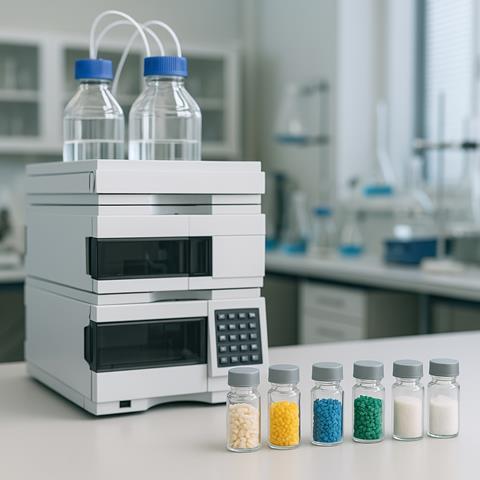
The new procedure enables simultaneous determination of seven different plastic additives using ultraviolet radiation (UV)-based high-performance liquid chromatography (HPLC-UV).
Principally, this reduces the number of analytical procedures required for plastic materials, simplifying and enhancing efficacy for compliance with Ph. Eur. texts. Furthermore, the chapter supports the industry’s ambition towards more sustainable practices by reducing the consumption of resources, emissions and overall waste.
The general chapter represents significant progress in modernising the analytical testing of plastic materials used in pharmaceutical packaging. It will come into force on 1 July 2027.
The following Ph. Eur. general chapters covering plastic materials reference the procedure:
- 3.1.3. Polyolefins
- 3.1.5. Polyethylene with additives for containers for parenteral preparations and for ophthalmic preparations
- 3.1.6. Polypropylene for containers and closures for parenteral preparations and ophthalmic preparations
- 3.1.7. Poly(ethylene - vinyl acetate) for containers and tubing for total parenteral nutrition preparations
Adoption of general chapter 2.5.46. follows the Ph. Eur.’s recent publication of several monographs and general chapters. One recent monograph describes a new analytical procedure for detection and control of the impurities ethylene glycol (EG) and diethylene glycol (DEG).
In July, the Ph. Eur. also sought to modernise its general chapter 5.1.6 for alternative microbiological methods. Seperately, the Ph. Eur. has published a new draft revised monographs that tightens the compliance requirements for fifteen chemical substances.








No comments yet