



news
NICE recommends new type 2 diabetes treatment
A safer alternative to current first line therapies has been recommended by the National Institute for Health and Care Excellence (NICE) as a new treatment option for type 2 diabetes.
List view / Grid view
A safer alternative to current first line therapies has been recommended by the National Institute for Health and Care Excellence (NICE) as a new treatment option for type 2 diabetes.


From the 7 September 2023, UK scientists can apply for funding from the largest R&D collaboration programme globally, thus accelerating therapeutic advancement.


In this in-depth focus are articles on reducing production time for allogenic CAR T-cell therapies and the complexities of mRNA development, from design intricacies to scalability.
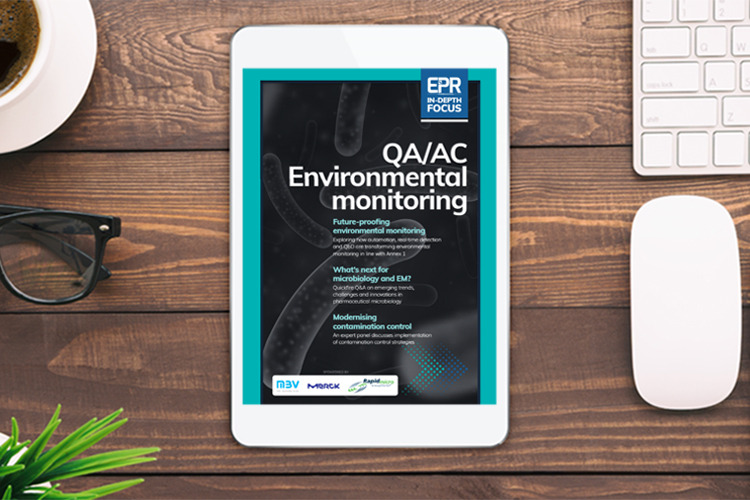
In this in-depth focus, explore how automation is transforming environmental monitoring in line with Annex 1, implementation of contamination control strategies and discover the emerging trends and challenges in pharmaceutical microbiology.


NICE’s final guidance recommending Bristol Myers Squibb’s first-in-class obstructive hypertrophic cardiomyopathy (oHCM) drug on the NHS, is now published.


Part of the £650 million ‘Life Sci for Growth’ funding package announced in May 2023, £5.5 million is set to deliver a new UK Medicines Manufacturing Skills Centre of Excellence to boost the skills of talent in the life sciences sector.

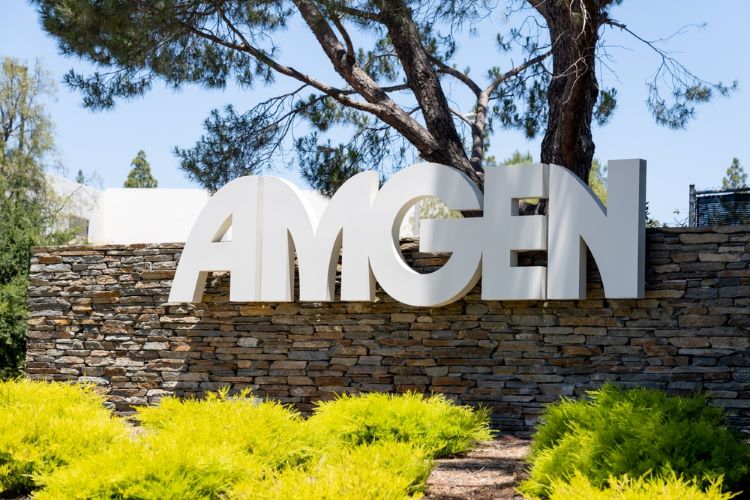
In Amgen’s consent order with the US Federal Trade Commission (FTC) addressing the intended acquisition of Horizon Therapeutics, once finalised, some requirements will be effective for 15 years.
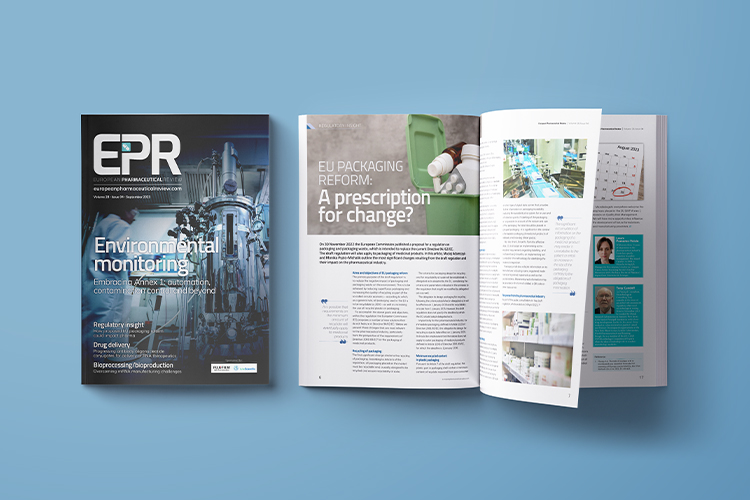
EPR Issue 4 includes articles on fridge-free vaccines, dry powder drug delivery, Annex 1, contamination control strategy and more.


As the pharmaceutical industry awaits the first regulatory approval of an mRNA-based oncology therapy, research predicts BioNTech will lead the market by 2029, which by then, is anticipated to value $2 billion.


IMA Pharma showcases its extensive, all-in-one vaccine production solutions, including the design and development of complete aseptic lines and secondary packaging, all facilitated by the latest advanced technologies.

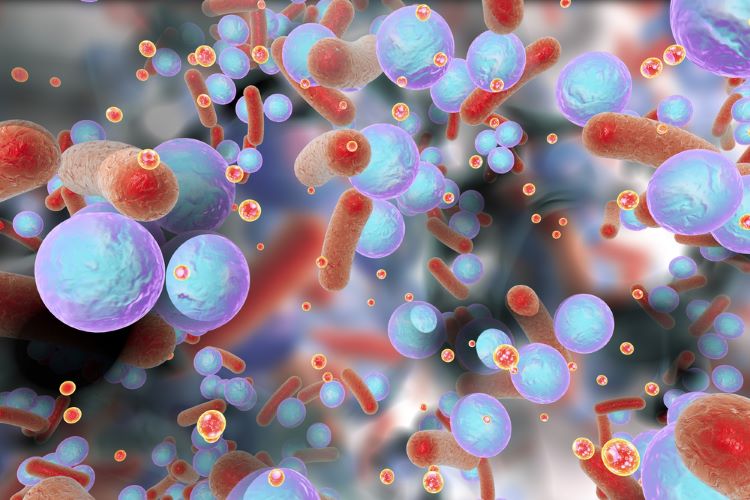
Key recommendations highlighted in a recent report by the Access to Medicine Foundation offer pharmaceutical manufacturers ways to effectively manage the release of antibiotic waste into the environment, and thus contribute to the reduction of antimicrobial resistance (AMR).


Advanced analytical technologies in quality control (QC) processes in cell and gene therapy manufacturing is anticipated to help deliver a 24.6 percent market CAGR between 2023 and 2031.


The Medicines and Healthcare products Regulatory Agency (MHRA) has released guidance to support implementation of new requirements for medicine packaging in 2025 under the Windsor Framework.


The much-anticipated Annex 1 revision is finally operational; manufacturers in the EU must be compliant with the GMP guideline updates when manufacturing sterile medicinal products.


Sandoz’s Tyruko (natalizumab-sztn) is now the first US Food and Drug Administration (FDA)-approved biosimilar to Tysabri (natalizumab) injection for relapsing forms of multiple sclerosis.

