



news
Antibiotics ‘no longer effective’ for childhood infections, finds study
Australian-led study highlights ‘alarmingly high’ rates of resistance to commonly-prescribed antibiotics in the Asia-Pacific region.
List view / Grid view
Australian-led study highlights ‘alarmingly high’ rates of resistance to commonly-prescribed antibiotics in the Asia-Pacific region.
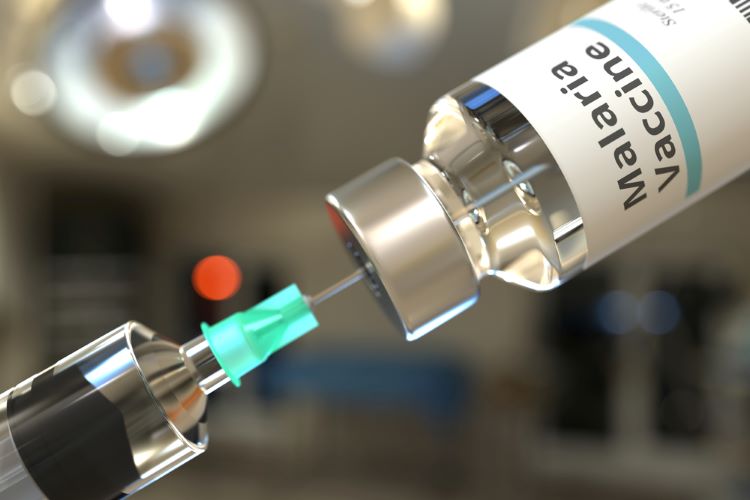
University of Oxford-developed R21/Matrix-M malaria vaccine has secured approval in two African countries.


£2 million will help fund a UK team of scientific experts to research monkeypox, uncover novel treatments and curb the spread of the virus.


An early halt has been called to a major kidney drug trial following positive results for patients with chronic kidney disease (CKD).


Even now 65 percent of drugs being approved come from biopharma companies and within a decade that is expected to rise to 85 percent. This is great news for a world hungry for new breakthrough treatments. As growth in pre-clinical and clinical work intensifies globally, Ahmed Bouzidi, Vice President of…
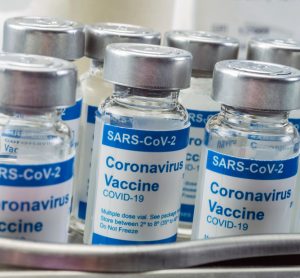
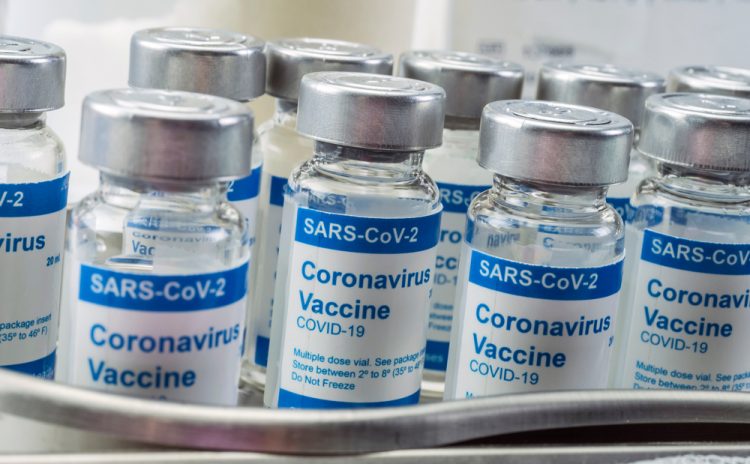
An analysis shows a single dose of Vaxzevria induced immunity lasting at least a year and an interval of up to 45 weeks significantly increases neutralising antibody titres.


An in silico trial evaluating a flow diverter in the treatment of brain aneurysms simulated the results of three human clinical trials.
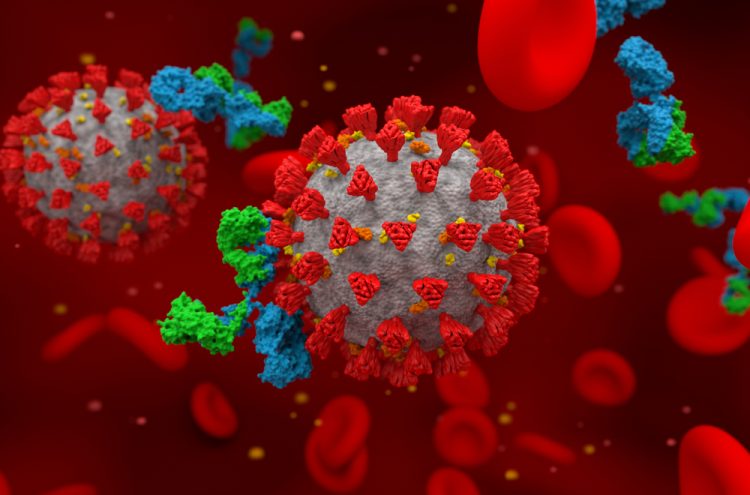
Phase III data shows REGEN-COV™ (casirivimab and imdevimab) reduced risk of death by 20 percent in hospitalised COVID-19 patients lacking an immune response to SARS-CoV-2.
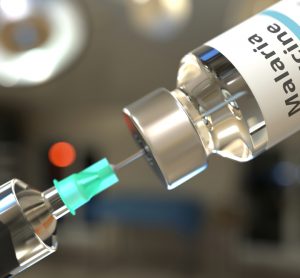
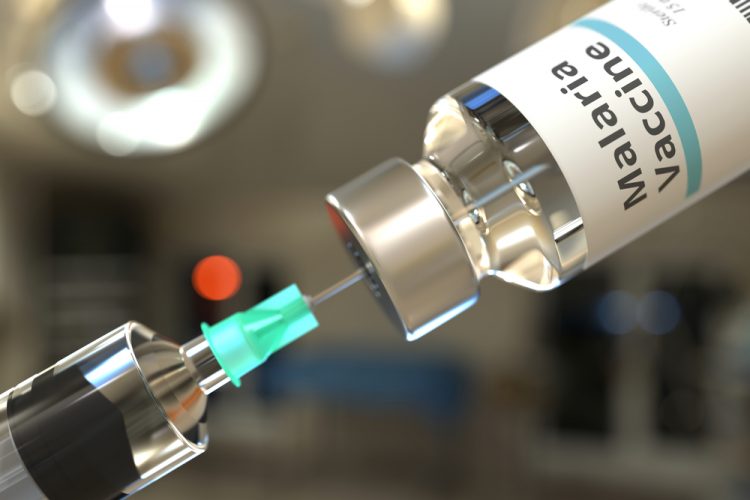
The R21 vaccine candidate, when administered with 50mg of adjuvant, was found to be 77 percent effective in preventing malaria in children over 12 months.


The dedication of the science community and healthcare workers in the fight against COVID-19 has been unwavering and justly praised. Yet logistics workers and the industries that support it have also achieved tremendous feats to support the resulting aid. Here, Zoe McLernon, Multimodal Policy Manager at Logistics UK, highlights the…
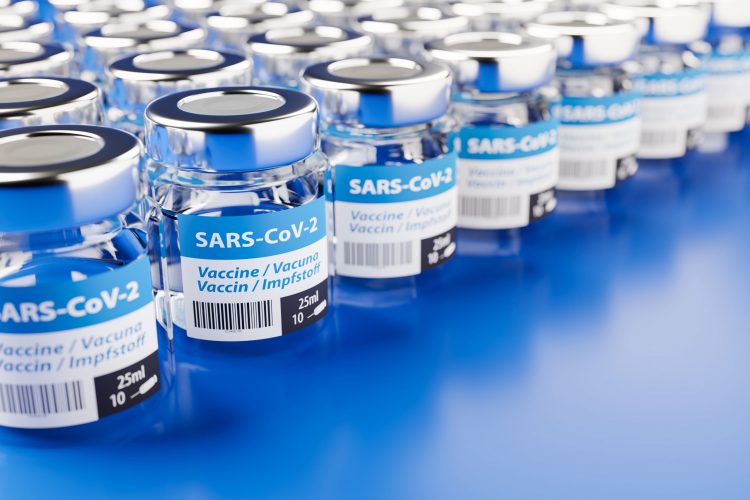
Novavax has agreed to participate in the University of Oxford’s Com-COV2 study evaluating the safety and efficacy of regimens consisting of doses of COVID-19 vaccines from different manufacturers.
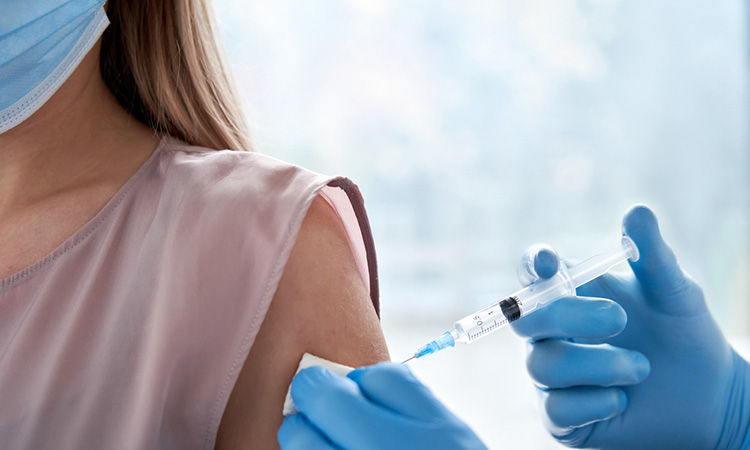
The UK Government has given £7 million of funding for a clinical trial which will investigate whether patients can be given different COVID-19 vaccines for each dose.
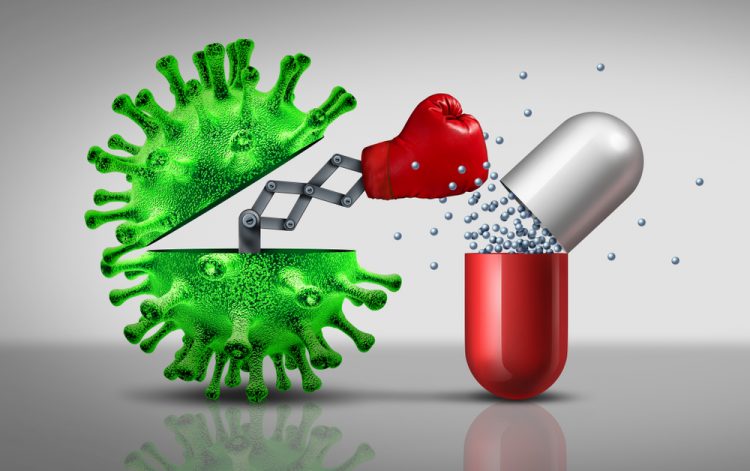
Trial finds neither azithromycin nor doxycycline meaningfully improve recovery times or reduce risk of hospitalisation in non-hospitalised COVID-19 patients.
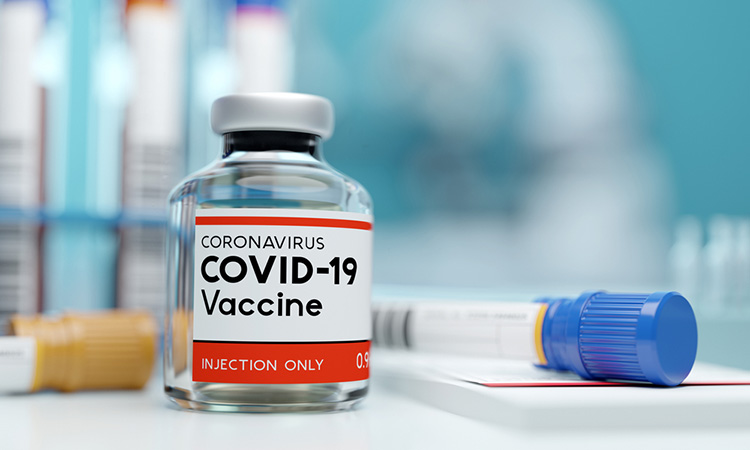
Reports have said five people have been killed in a fire at the Serum Institute of India, where the Oxford-AstraZeneca COVID-19 vaccine is being made.
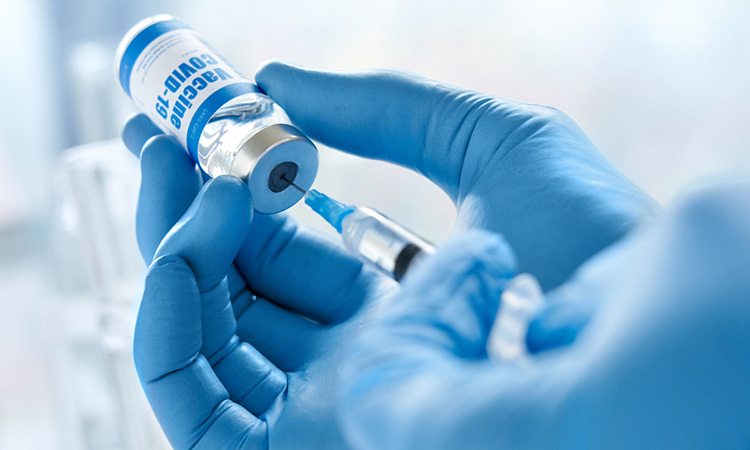
Around 2,000 workers critical to the UK COVID-19 vaccine supply chain will be offered inoculations against the novel coronavirus.

