




Under the microscope: Time to consider perfusion?
Erik Vaessen, Chief Business Officer at FUJIFILM Irvine Scientific, reveals the benefits of continuous culture processing and considerations for optimal bioproduction.
List view / Grid view
Erik Vaessen, Chief Business Officer at FUJIFILM Irvine Scientific, reveals the benefits of continuous culture processing and considerations for optimal bioproduction.
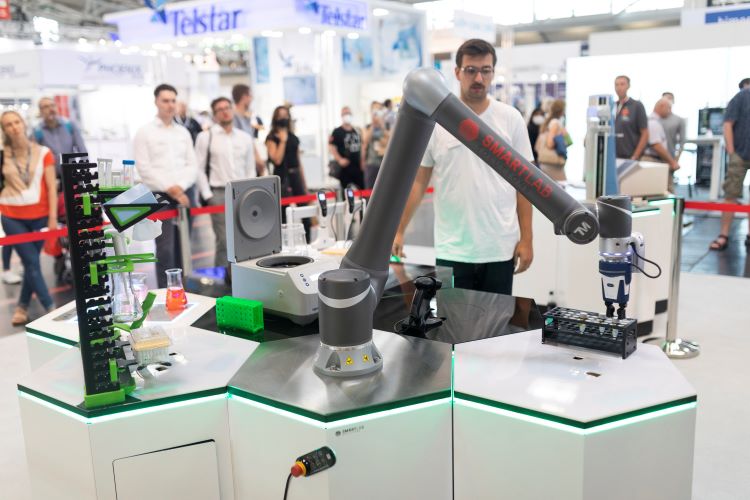
Between 9 - 12 April 2024, the world’s leading trade fair analytica will once again open its doors in Munich to the international laboratory industry. At analytica, industry experts, exhibitors and visitors gather to explore the latest developments in laboratory technology, analysis and biotechnology. The fair, covering the entire spectrum…

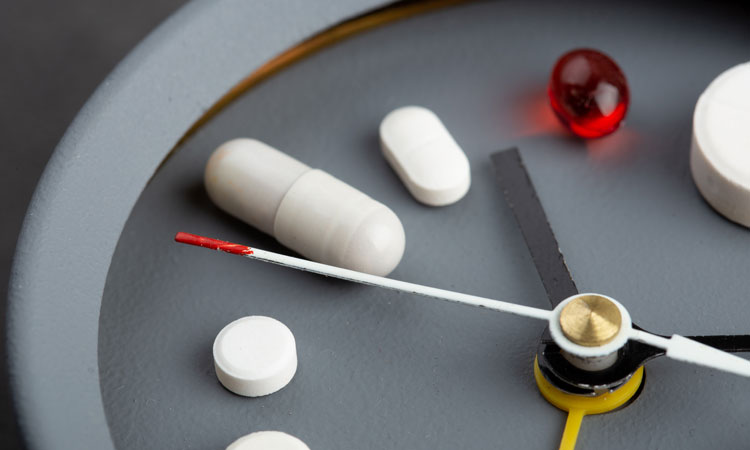
Designing systems for delivery of biologics is often a significant challenge during clinical development. Here, Dave Li, Edyta Działo and Anna Baran of KCR Consulting highlight the need for balancing safety, effectiveness, cost and reducing patient discomfort.


Poland-based Polpharma API relies on Waters analytical instrumentation for impurities method development and testing to meet the ever-evolving regulatory guidance around N-nitrosamines (nitrosamines) control in active pharmaceutical ingredients (API).


Some of the most sought-after human experiences are health and happiness. Although pharmaceutical companies cannot determine personal happiness, they are working to improve personal health outcomes that can tip the scale. The demand for personalised medicines, cell and gene therapies, hyperresponsive and patient-centric healthcare, real-world data fuelled by artificial intelligence…
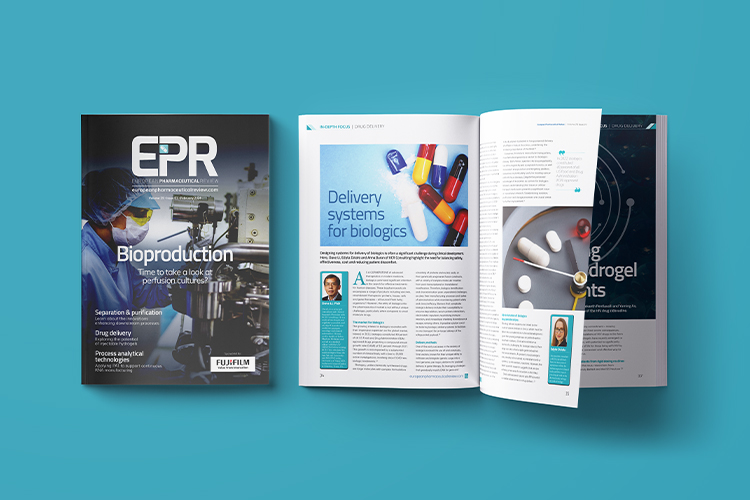
EPR Issue 1 includes articles on separation & purification, process analytical technology and drug delivery. Register your details now to download this exclusive content.


In this exclusive article, Biogen’s Vice President and Head of the Neuromuscular Development Unit, Dr Toby Ferguson, discusses the current rare disease landscape and recent developments in treating Friedreich’s ataxia (FA).


Advanced therapy medicinal products (ATMPs) will be among the first to undergo joint clinical assessments at EU level in 2025 and these will form the basis for national value assessments and pricing negotiations. Here, Paolo Morgese from the Alliance for Regenerative Medicine discusses how methodologies for joint clinical assessments (JCAs)…
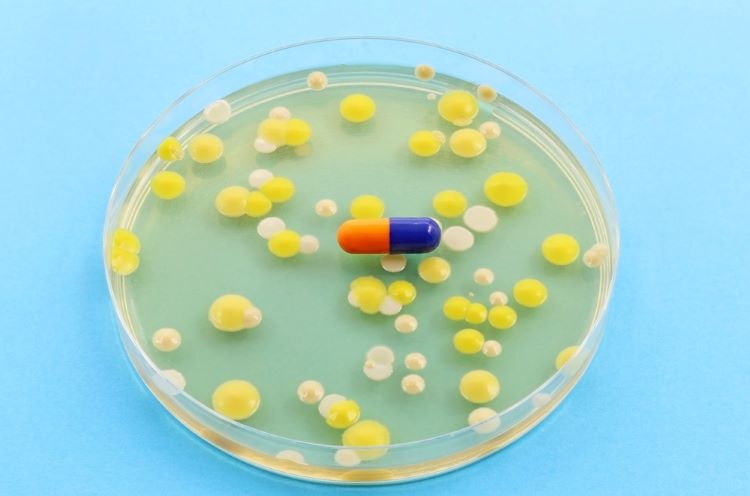
Despite the UK having “a very healthy” therapeutic pipeline, more needs to be done in the fight against antimicrobial resistance (AMR), NovaBiotics’ CEO asserts.

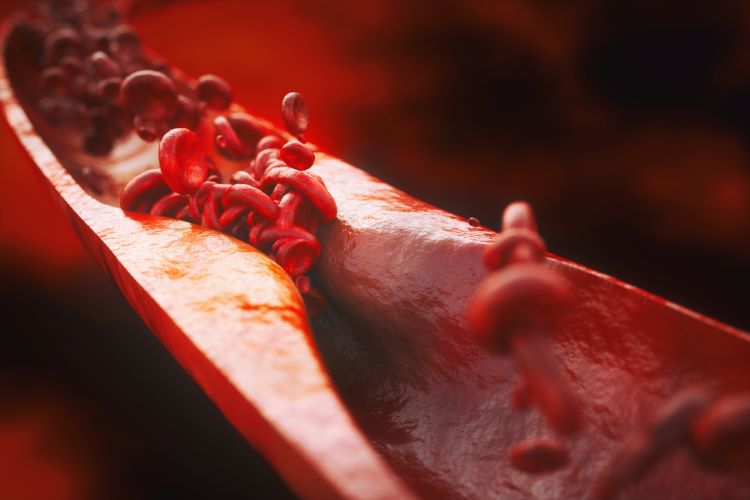
In this exclusive interview, CEO of NewAmsterdam Pharma, Michael Davidson, offers insight into the low-density lipoprotein (LDL) cholesterol lowering therapeutic landscape and shares promising data from the company’s lead candidate, a cholesterol ester transfer protein (CETP) inhibitor.


Here, Chief Technical Officer, Mike Frodsham and Ryan Wilson, Head of Microbiome Services at SGS Quay Pharma, explore the chemistry, manufacturing, and control (CMC) challenges of developing drug products containing live anaerobic bacterial strains, used for treatments such as microbiome therapeutics.
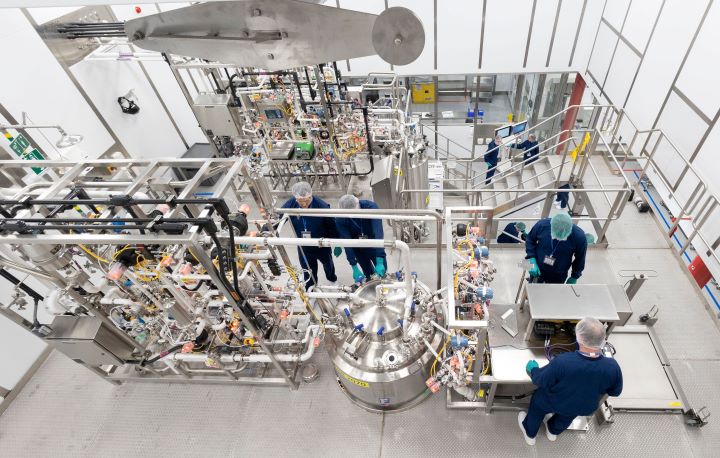
Liam Dunne, MSD Biotech Site Lead, speaks to Danielle Barron about how the Dublin site is leveraging the latest technologies, from real-time process monitoring to the latest upstream techniques, helping to ensure reliability and quality of global supply.


In this article, Dave Elder delves deeper into some ongoing developments in topic areas highlighted in European Pharmaceutical Review (EPR) during 2023.


As the global healthcare landscape moves towards a digital transformation, a balanced approach that unites electronic product information (ePI) with traditional paper leaflets can help ensure every European citizen, irrespective of their digital access, has unencumbered access to critical medical information. Here, Ataa Elfaquih from MLPS, a subgroup of the…


EPR's inaugural Pharma Horizons report explores the latest advances in artificial intelligence (AI) and machine learning (ML) for drug development, pharmaceutical manufacturing and quality control.

