Cancer Biology - Articles and news items

Roche to present important new data reflecting broad cancer pipeline at ASCO

Industry news, News / 15 May 2013 / Roche

Roche (SIX: RO, ROG; OTCQX: RHHBY) today announced that important new data from clinical trials of several investigational and approved cancer medicines will be presented at the 49th Annual Meeting of the American Society of Clinical Oncology (ASCO), May 31 to June 4, 2013, in Chicago. At the meeting, Roche medicines will be highlighted in more than 275 abstracts, of which around one third were chosen for oral presentations. The collection of data at ASCO represents Roche’s breadth of research and includes: (more…)

HOX transcription factors as biomarkers in cancer

Issue 5 2011 / 19 October 2011 / Richard Morgan, Postgraduate Medical School, Faculty of Health and Medical Sciences, University of Surrey

The HOX genes are a family of closely related transcription factors that help to define the identity of cells and tissues during embryonic development and which are also frequently deregulated in cancer, where they have been shown to promote cell survival and proliferation. The high level of cancer-associated HOX expression and the pro-oncogenic functions of these genes make them strong candidates for biomarkers in multiple roles including diagnosis, prognosis, drug sensitivity and drug resistance.

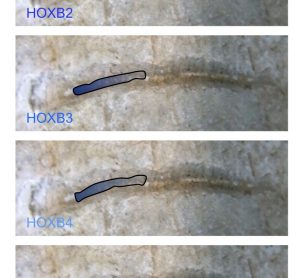
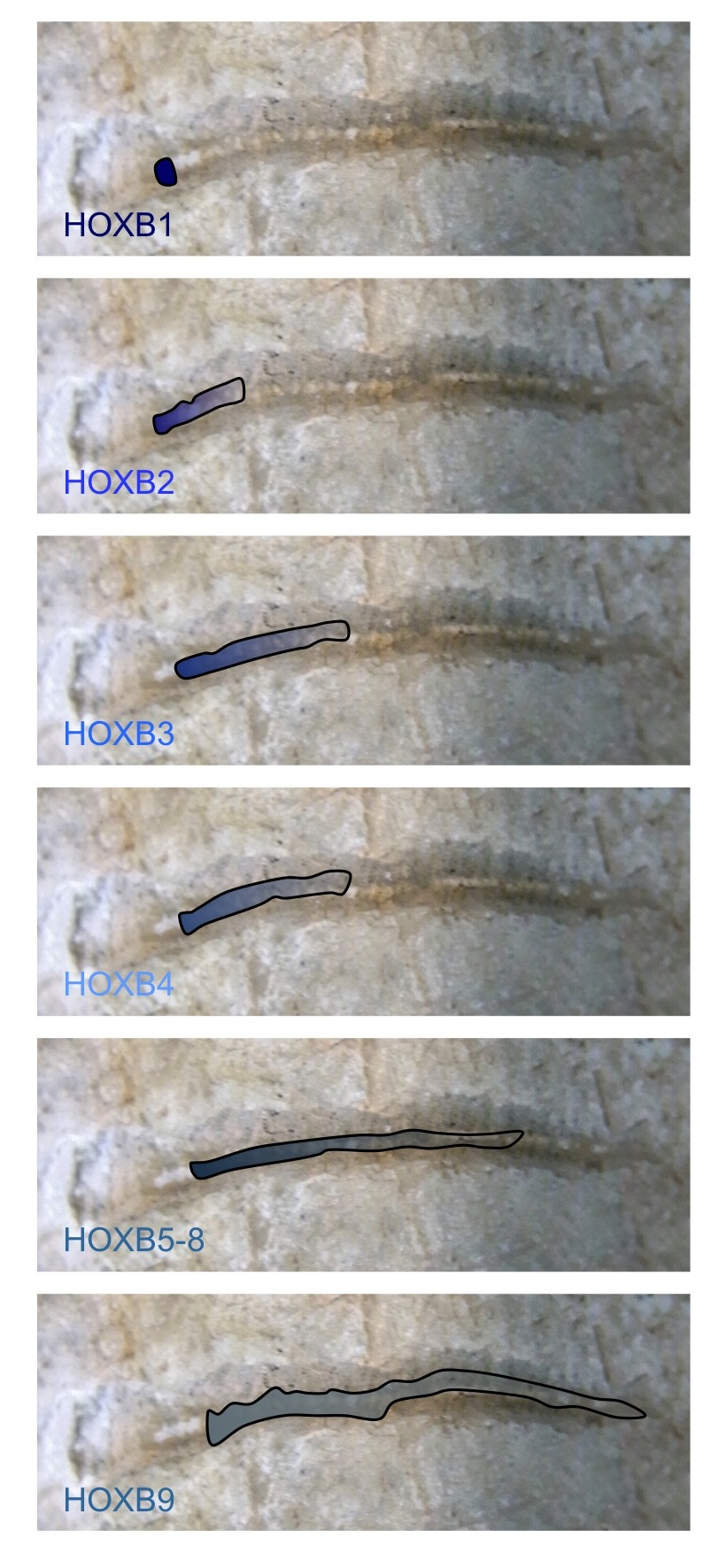
The HOX genes are a family of homeodomaincontaining transcription factors that were first identified as determinates of cell and tissue identity in early development, although they are now also known to function in adult stem cell renewal and differentiation1. A series of duplication events is thought to have given rise to the four separate clusters of HOX genes found in vertebrates, with each cluster consisting of a group of closely linked members that often share enhancer regions. These clusters are named A, B, C and D, and together they contain the 39 HOX genes found in mammals2. Each gene within a cluster is labelled with a number according to their relative position in the chromosome, so for example HOXB1 is the 3’ most member of the B cluster, and HOXB13 is the 5’ most member3. The linkage of genes within each cluster is closely reflected in both their temporal and spatial order of expression in the embryo, with the 3’ genes being expressed more anteriorly and earlier than their 5’ neighbours (Figure 1). The relative position within the cluster is also reflected in the co-factor interactions, DNA binding specificity and regulation of each member2. (more…)

Proteomics and target identification in oncology

Issue 1 2011 / 16 February 2011 / Hubert Hondermarck, Professor and head of U908 INSERM research unit – Growth factor signalling in breast cancer – functional proteomics, University of Lille

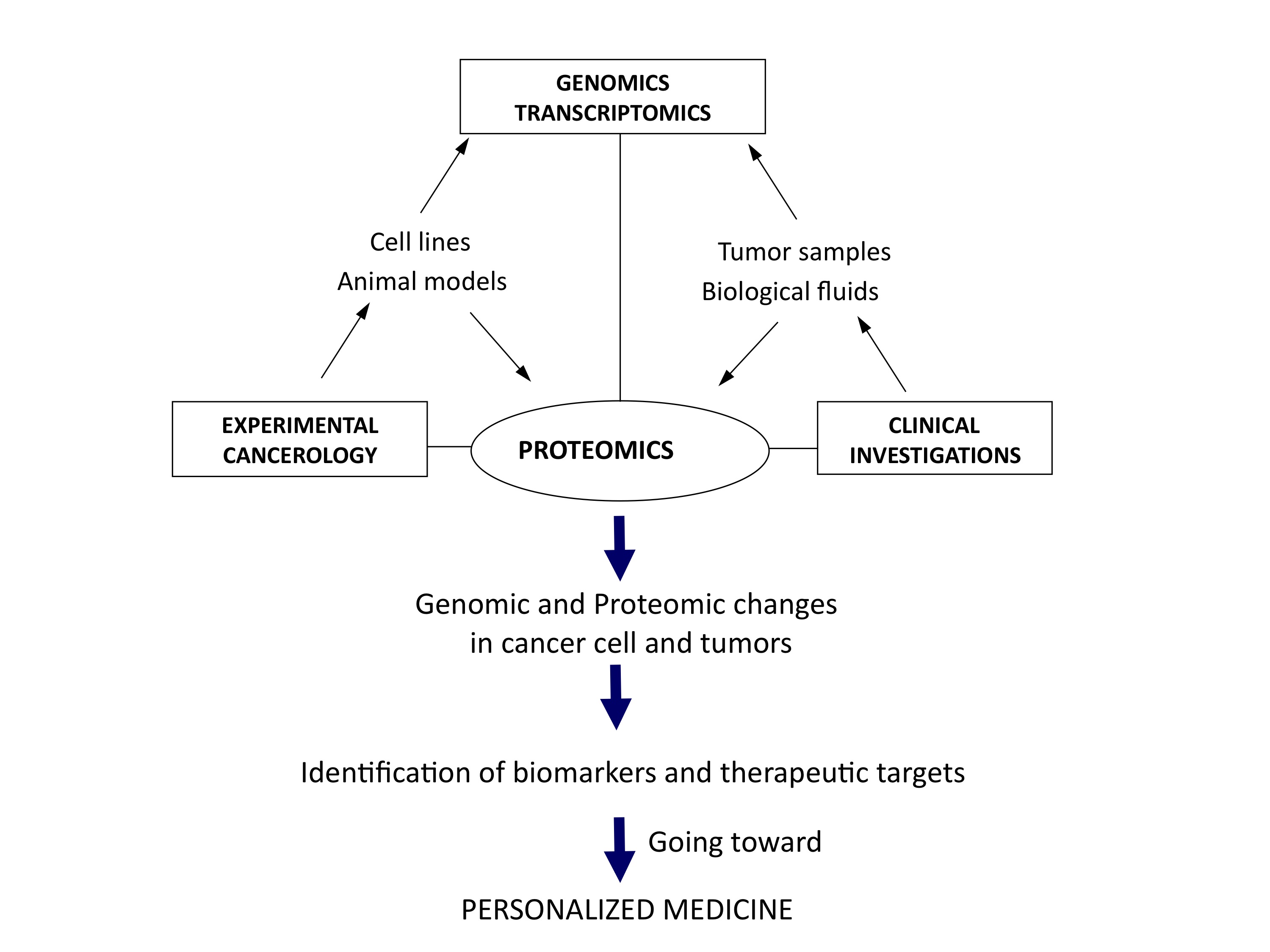
The recent progresses in the field of proteomics now enable large scale, high throughput, sensitive and quantitative protein analysis. Therefore, applying proteomics in clinical oncology becomes realistic. From the analysis of cell cultures to biological fluids and tumour biopsies, proteomic investigations of cancers are flourishing and new candidate biomarkers and therapeutic targets are slowly emerging. In the meantime, what we know of the cancer proteome is also an evolving figure that is progressively unveiled. Given the multiparametric nature and diversity of cancers, it should not be underestimated that a great deal of time and effort will be necessary for translating that knowledge into practical applications in oncology. (more…)

Current realities in cancer biology

Issue 1 2011 / 16 February 2011 / Ross Sibson, Director of Research, Applied Cancer Biology Group, University of Liverpool

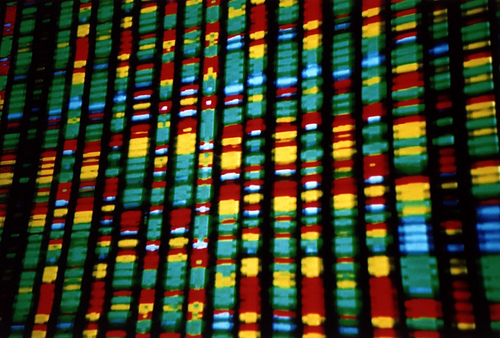
The rate of progress in molecular cell biological sciences has become dramatic. This is fuelled in part by developments in technology, none more so than in the field of nucleic acid sequencing. So-called Next Generation Sequencing Platforms promise to revolutionise our understanding of the importance of genetic differences on an individual basis. According to the modern personalised or stratified medicine paradigms, this will revolutionise current practices in terms of early detection, treatment, diagnosis, prognosis and even prevention. Revolutions are apt to disappoint and drug pipelines have yet to justify such optimism yet molecular geneticists can point already to notable successes like the completion of their flagship project, the human genome in 2001, within time and within budget. What are the current realities? The field of cancer serves as an excellent test and would suggest that advances are being made incrementally but rapidly. (more…)

PCR and personalised cancer medicine

Issue 6 2010 / 16 December 2010 / Frank McCaughan, MRC Career Development Fellow, MRC Laboratory of Molecular Biology

The delivery of personalised medicine is a key goal of modern cancer medicine and refers to the tailoring of anticancer therapy to the molecular characteristics of an individual tumour. To facilitate personalised medicine, it is important to have robust and reproducible means of gaining molecular information about a patient’s cancer that can be used to guide clinical decision-making. There have therefore been tremendous efforts to identify molecular signatures – biomarkers – that can be used to help predict a cancer patient’s prognosis or their likelihood of a response to targeted drug therapies. Such molecular profiling has long been applied to haematological malignancies and is increasingly becoming the norm in the most common epithelial cancers such as lung and colorectal cancer. This article will focus on the role of the polymerase chain reaction (PCR) in helping to meet the challenges involved in the design, testing and delivery of personalised cancer medicine. (more…)

Application of flowcytometry in drug discovery

Issue 6 2010 / 16 December 2010 / Dana Buckman, Senior Scientist, Biomarkers – Translational Research, Pfizer

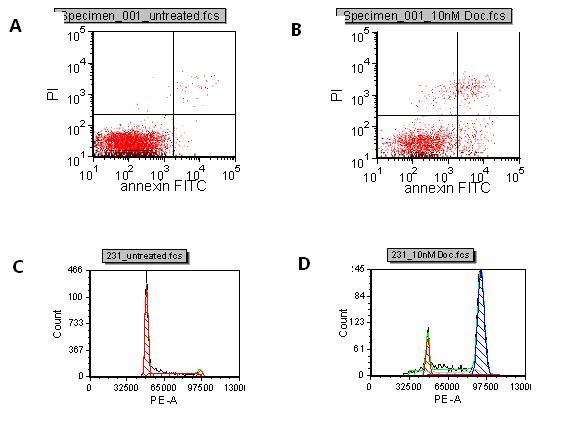
Flow cytometry can be used to advance our understanding of diseases in multiple ways. Drug effects and dosages can be ascertained in vitro, along with patient selection based on mutations and antigen profiles. Within the Diagnostic Biomarkers group of Translational Research at Pfizer, we are utilising flow cytometry in conjunction with other diagnostic tools to assist in gaining a clearer understanding of drug target biology and to identify patients that would benefit most from a specified drug regimen. (more…)

Biomarkers and targeted therapies in lung cancer… Where do we stand and where will we go?

Issue 6 2010 / 16 December 2010 / Wolfgang M. Brueckl & Joachim Ficker, Department of Internal Medicine 3, Lung Cancer Center and Thomas M. Mundel, Roche Parma AG

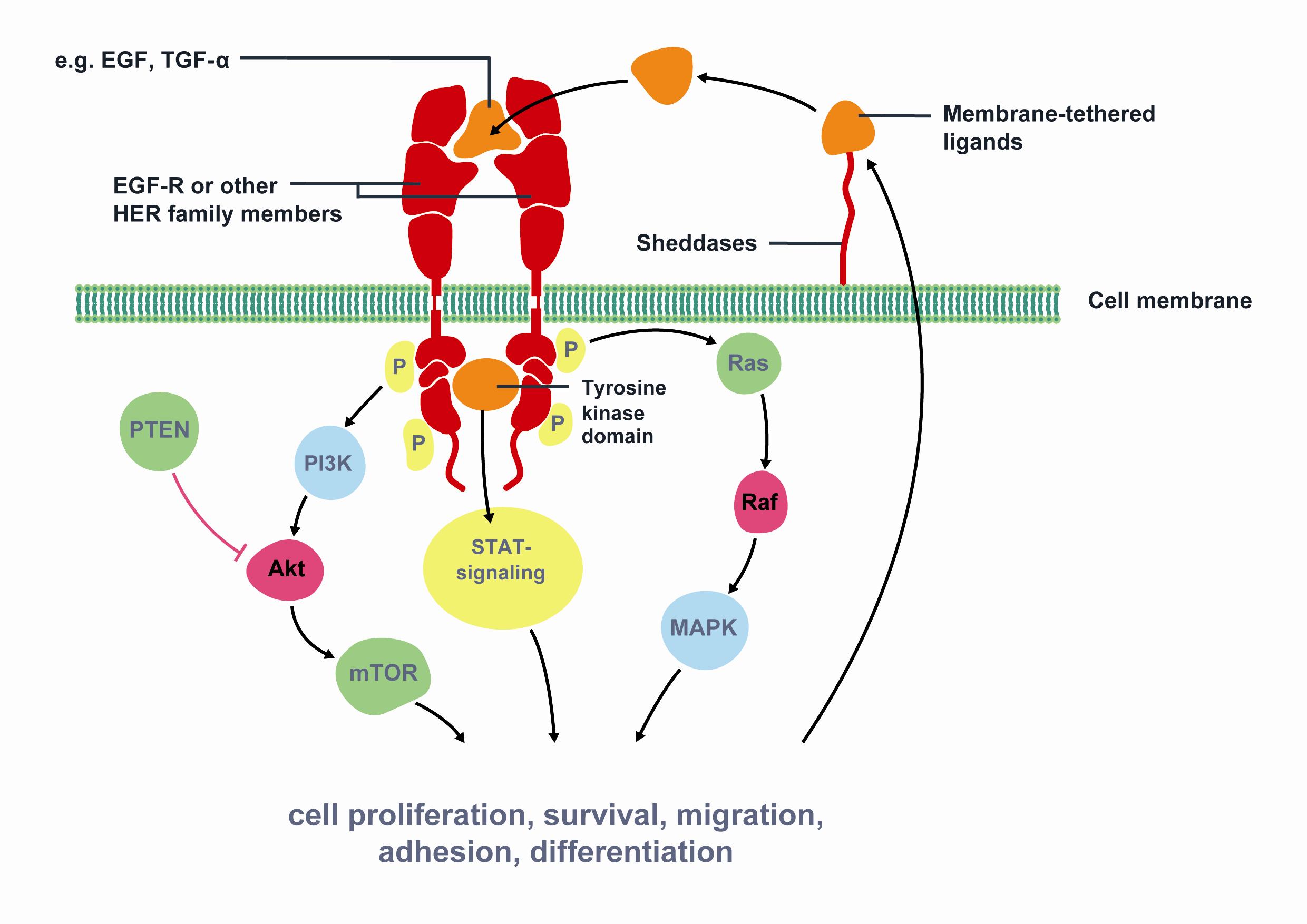
Despite innumerable clinical studies in the past three decades with lots of traditional chemotherapeutical drugs and drug combinations, survival in lung cancer has increased by far less than other entities. Research now focuses on inhibitors of tyrosine kinases which have been shown to have a central role in the development of lung cancer. However, as recent developments show, unselected use of those ‘targeted therapies’ is not always effective and may even be harmful to lung cancer patients if given at the wrong time or to the wrong patient. Biomarkers with predictive value will, in future, be of utmost importance for an individualised tumour tailored therapy. In this perspective, we describe the latest developments in EGF-R directed tyrosine kinase inhibitors and other targeted therapies. Additionally, the actual (limited) predictive role of biomarkers is discussed in this context and further directions are pinpointed. (more…)

Functional genomics as a tool for guiding personalised cancer treatment

Issue 5 2010 / 29 October 2010 / Roderick Beijersbergen, Group Leader Molecular Carcinogenesis, the Netherlands Cancer Institute

Improved understanding of the molecular alterations in cancer cells has fuelled the development of more specific and directed cancer therapies. However, it has become clear that response rates can be low due to confounding genetic alterations that render these highly specific therapies ineffective. As a result, the costs of cancer treatment will increase enormously unless we are able to identify those patients that will benefit most from these directed therapies. In addition, it will be necessary to identify additional targets in these complex molecular networks that can be further exploited to increase overall response rates in the highly heterogenic populations of human tumours. In recent years, great expectations have been put forward for the use of functional genomic screening technologies to reach these goals. (more…)

MS-based clinical proteomics: biomarker discovery in men’s cancer

Issue 5 2010 / 29 October 2010 / Brian Flatley Dept of Chemistry, University of Reading, Reading and Harold Hopkins Dept of Urology, Royal Berkshire NHS Foundation Trust Hospital, Reading and Peter Malone Harold Hopkins Dept of Urology, Royal Berkshire NHS Foundation Trust Hospital, Reading and Rainer Cramer Dept of Chemistry, University of Reading, Reading

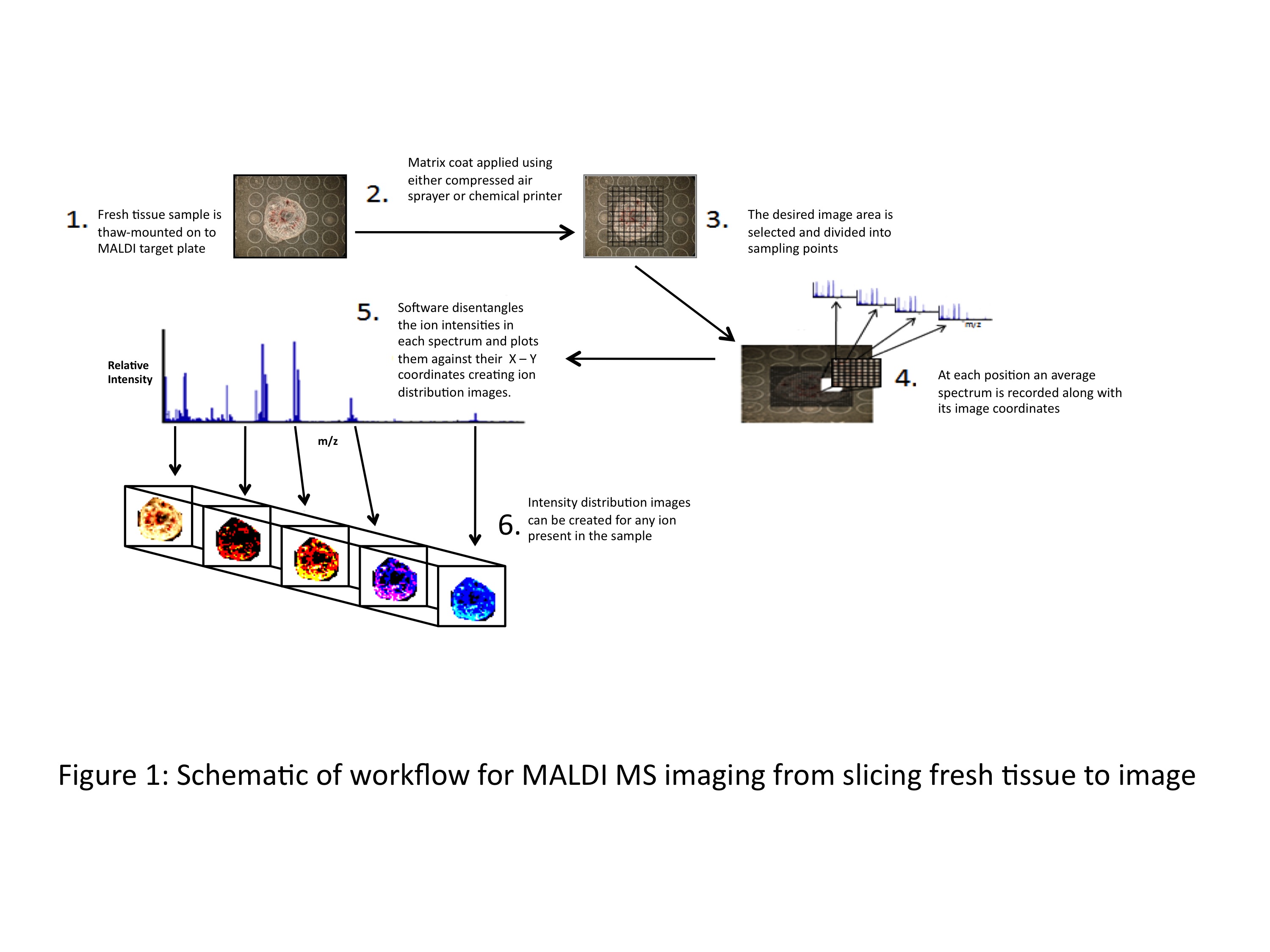
Each year, approximately 10,000 men in the UK die as a result of prostate cancer (PCa) making it the third most common cancer behind lung and breast cancer. Worldwide, more than 670,000 men are diagnosed every year with the disease1. Current methods of diagnosis of PCa mainly rely on the detection of elevated prostate-specific antigen (PSA) levels in serum and/or physical examination by a doctor for the detection of an abnormal prostate. PSA is a glycoprotein produced almost exclusively by the epithelial cells of the prostate gland2. Its role is not fully understood, although it is known that it forms part of the ejaculate and its function is to solubilise the sperm to give them the mobility to swim. Raised PSA levels in serum are thought to be due to both an increased production of PSA from the proliferated prostate cells, and a diminished architecture of affected cells, allowing an easier distribution of PSA into the wider circulatory system. (more…)

High content cell based primary screening for oncology targets – a perspective

Issue 3 2010, Past issues / 25 June 2010 / Peter Alcock, Colin Bath, Carolyn Blackett & Peter B. Simpson, Screening & Assay Sciences, Cancer Bioscience, AstraZeneca Alderley Park

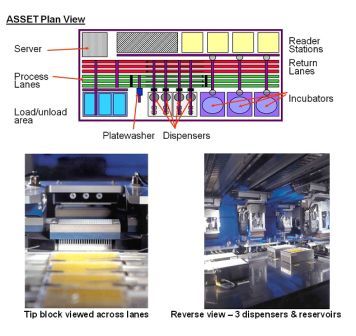
Over the last 15 years, vendors have offered microscope-based instruments capable of producing images of fluorescent labelled components of cells grown in microtitre plates. These instruments are typically bundled with analysis software capable of defining the relative distribution of several fluorescent markers on a cell by cell basis1,2. As the readers have improved and image acquisition and analysis times have reduced, the potential for screening larger compound libraries has presented itself. High Content Screening (HCS) i.e. the generation of multiparameter data from a single well, has thus become an important tool in the High-Throughput Screening (HTS) laboratory. (more…)

High-throughput PCR based diagnostics: Linking sample handling to molecular oncology risk groups

Issue 3 2010, Past issues / 24 June 2010 / Ehsan G. Karimiani, Stephan Mohr & Philip J. R. Day, University of Manchester

Cancer molecular pathology broadly relies on the comparison between diseased and normal tissues, with statistically validated differences revealing cancerassociated pathways. This approach, although comparatively one-dimensional, has been remarkably successful, enabling identification of many types of malignant biomarkers and providing the means to develop pharmaceutical agents directed against pertinent biological targets. Most typically during the progression of malignancies, pathologists employ morphological screening of cancerous tissues. However, this form of monitoring has significant limitations, particularly in the early stages of pre-treatment or during the clinical remission. (more…)

Biomarkers in the development of novel medicines for the treatment of cancer

Issue 3 2010, Past issues / 24 June 2010 / Hans Winkler, Global Head Oncology & Biomarker Programs, Ortho Biotech Oncology Research & Development, Johnson & Johnson

The pharmaceutical industry has reached a critical phase in its evolution. The cost and time to develop novel medicines has become unsustainable3. Reasons for this may include a much higher demand on evidence of safety and efficacy, rapidly increasing costs of contract research and the tremendous pressure on pricing and reimbursement from regulators and payers expecting higher benefit rates than the current average for newly launched products. Concomitant with these pressures we observe an ever decreasing R&D productivity which acerbates the problem2.

In this context, it is important to remind ourselves of the task to be achieved. First, a suitable target has to be identified whose inhibition will result in major effects on tumour growth and survival. (more…)

  • Page 1 of 2
  • 1
  • 2
  • >