




news
Anti-amyloid antibody receives Breakthrough Therapy Designation in US
Roche's gantenerumab is an anti-amyloid beta antibody developed for subcutaneous administration in Alzheimer’s disease patients.
List view / Grid view
Roche's gantenerumab is an anti-amyloid beta antibody developed for subcutaneous administration in Alzheimer’s disease patients.


In this article, Included’s Raafi-Karim Alidina explores biases in product design, outlining how they impact pharmaceuticals as well as technologies, and practical steps to enhance diversity and ensure inclusion.

Eli Lilly and Company have announced executive leadership changes and the creation of neuroscience and immunology business units.


Here, Lucinda Cash-Gibson and Francesco Patalano discuss why the pharmaceutical industry is collaborating to develop protocols for patient-centric integrated platform trials and what the clinical research industry may look like in future.


Biogen and Ionis announced positive topline data on investigational Alzheimer’s treatment, indicating 50 percent tau protein reduction.
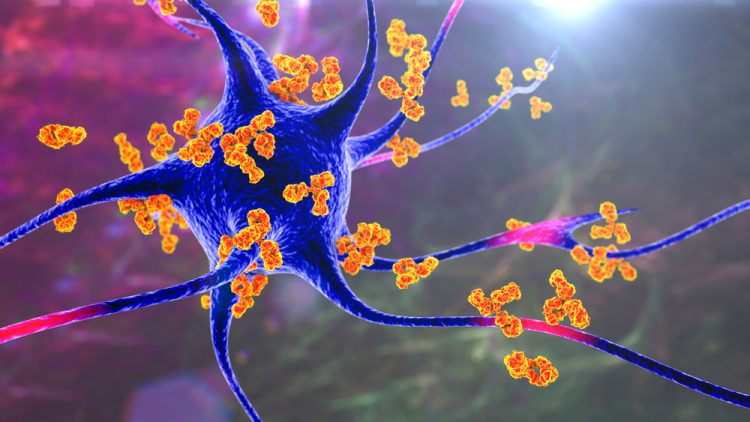
GSK will support the development of Alector’s immuno-neurology monoclonal antibodies for Parkinson’s disease, frontotemporal dementia and Alzheimer’s.


Alterity Therapeutics have been granted a patent for compounds able to redistribute excess iron in the brain being developed as a treatment for neurodegenerative diseases including Alzheimer's and Parkinson's.


Market analysts suggest COVID-19 and the rising prevalence of chronic disease will both contribute to growth in the global clinical trials market.


Study results show AADvac1, a first-in-man Alzheimer's disease tau vaccine, is safe and potentially of benefit for patients with mild disease.


Aduhelm™ (aducanumab-avwa) is the first new treatment approved for Alzheimer’s since 2003 and the first therapy to target the fundamental pathophysiology of the disease – amyloid plaques.


Here, Dr Matthew McMurray and Dr J Andrew Jones of Miami University explain why psychedelic drugs are attracting R&D as potential treatments for neuropsychiatric and degenerative disorders and how their discovery of an in vivo production technique could enable further advancement.


The trial of DSP-0038, an Alzheimer’s disease psychosis drug designed using artificial intelligence, will assess its ability to improve the behavioural and psychological symptoms of dementia.


In a Phase II trial, Leukine® (sargramostim) significantly reduced biomarkers of neurodegeneration and improved cognitive function.


In the Phase I trial, the beta-2 adrenoceptor agonist salbutamol significantly increased cerebral perfusion, a key biomarker in neurodegenerative disease.


Treatment with XPro1595 for three months caused significant changes in neurodegeneration, synaptic function and neuroinflammation.

