




news
Novartis’ Kisqali® provides “unparalleled survival benefit” in breast cancer
A pooled exploratory analysis shows Kisqali® plus endocrine therapy adds a year to overall survival of patients with aggressive form of breast cancer.
List view / Grid view
A pooled exploratory analysis shows Kisqali® plus endocrine therapy adds a year to overall survival of patients with aggressive form of breast cancer.


What unmet need remains in breast cancer and how is drug development helping tackle these challenges? Tune in to this episode with Daiichi Sankyo to find out more.


At its July meeting, the European Medicines Agency (EMA)’s Committee for Medicinal Products for Human Use (CHMP) recommended 11 medicines for approval and extended the indication of six more, including Imvanex for the prevention of monkeypox.
With increasing numbers of cell and gene therapies (CGTs) entering clinical trials, Dr Dave Li and Dr Anna Baran of KCR Consulting discuss how the biological characteristics of CGTs should be taken into account with early phase trial designs.


The latest meeting saw EMA’s human medicines committee (CHMP) recommend the approval of nine new medicines, refuse two biosimilar medications and recommend extensions of therapeutic indication for six medicines.


Work is underway to create a collaborative virtual research institute (VRI) to support the fundamental research and subsequent clinical translation of precision medicine in Abu Dhabi, as well as the United Arab Emirates more broadly. Here, European Pharmaceutical Review’s Hannah Balfour discusses the project with the Head of the new…
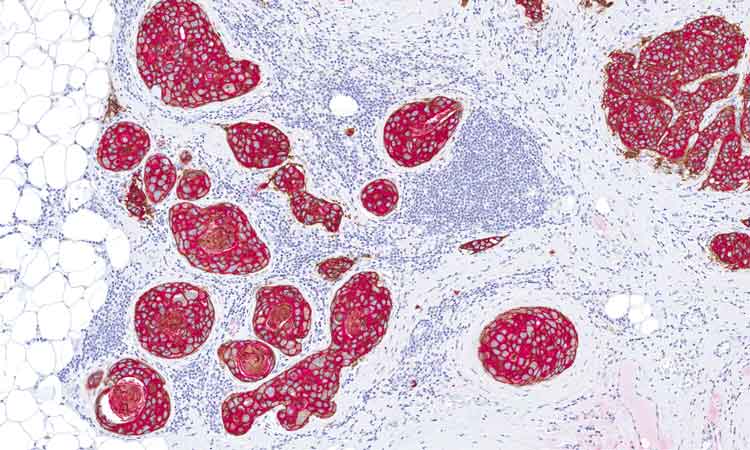
Certain breast cancer patients treated with Ibrance (palbociclib) and an aromatase inhibitor were significantly less likely to die than those treated with the inhibitor alone, according to real-world evidence.


Analysis of HR+/HER2- patients treated in first-line with Kisqali plus fulvestrant demonstrated a significant OS benefit of nearly 16 months over fulvestrant alone.
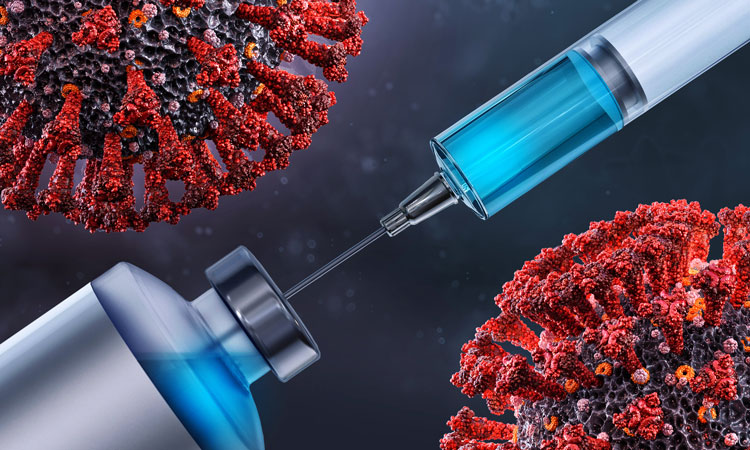
A team of scientists has developed a spherical nucleic acid (SNA) vaccine, which has demonstrated high efficacy as a COVID-19 therapy, as well as an anti-cancer treatment in rodents.


Lynparza® (olaparib) is the first PARP inhibitor to demonstrate overall survival benefit in early breast cancer, according to new data.


Kisqali plus letrozole achieved a median overall survival (OS) of over five years (63.9 months), with OS benefit increasing over time, according to newly published data.


In the Phase III OlympiA trial, Lynparza® (olaparib) reduced the risk of cancer recurrences or death by 42 percent in patients with BRCA-mutated high-risk early breast cancer.


In a Phase III trial, Proxalutamide reduced mortality and expedited recovery of hospitalised COVID-19 patients in Brazil.


Phase II data suggests intravenous QUZYTTIR™ cetirizine hydrochloride can decrease infusion reactions to anti-CD20 antibody treatments and reduce time to discharge after therapy.

In this article, European Pharmaceutical Review’s Hannah Balfour discusses how COVID-19 has impacted the pharma industry with regard to cancer clinical trial and treatment disruptions.

