

news
Pharmaceutical sterility testing market to grow from $2.07b in 2027
Research suggests that the global sterility testing market will see a nearly $200 billion increase in spending on new products in the next five years.
List view / Grid view
Research suggests that the global sterility testing market will see a nearly $200 billion increase in spending on new products in the next five years.
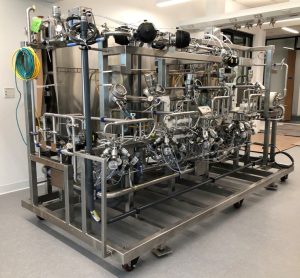
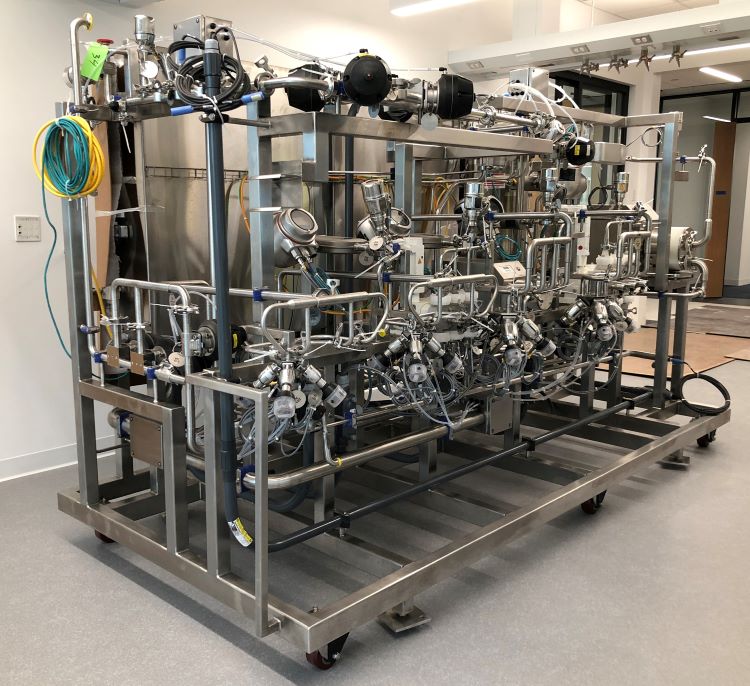
The preparation of buffer solutions is a crucial component in the downstream manufacturing process for biomolecules; however, it is also one of the most resource-heavy and intensive steps. Solving these downstream issues with new approaches is critical to achieving efficiency and commercial gains within the upstream process. Here, Andrea Johnston…
23 December 2022 | By Sartorius
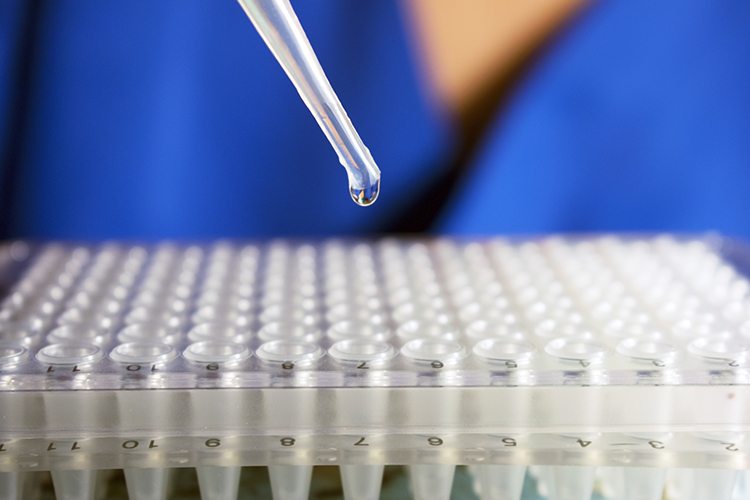
Dr Alexandra Mueller-Scholz, Sartorius, and Yasmin Heynen, Molecular Development at Labor LS, discuss rapid sterility testing for ATMPs using a real-time PCR-based method.
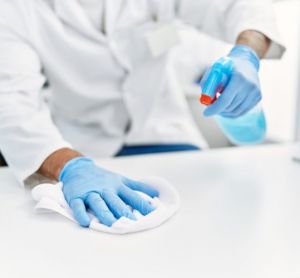
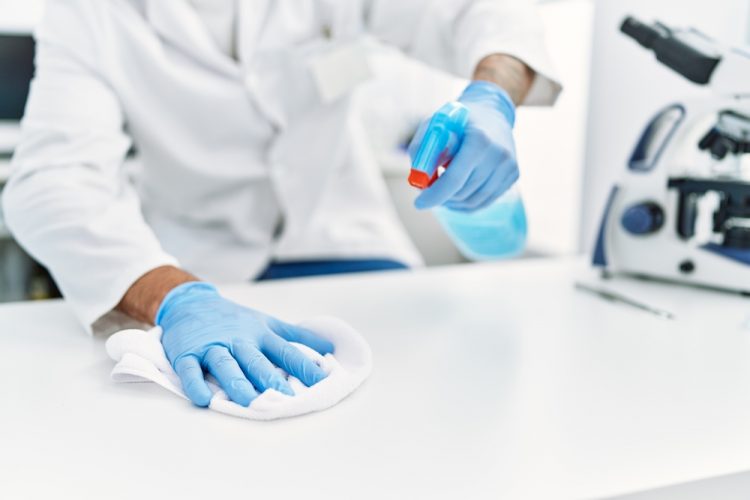
Here, EPR summarises a paper that asks whether cleanroom sanitisation procedures are adequate, discussing the emerging problem of microbial resistance to disinfectants.


Here, EPR summarises the microbial contamination concerns that may arise from aging facilities presented in an article by Tim Sandle.
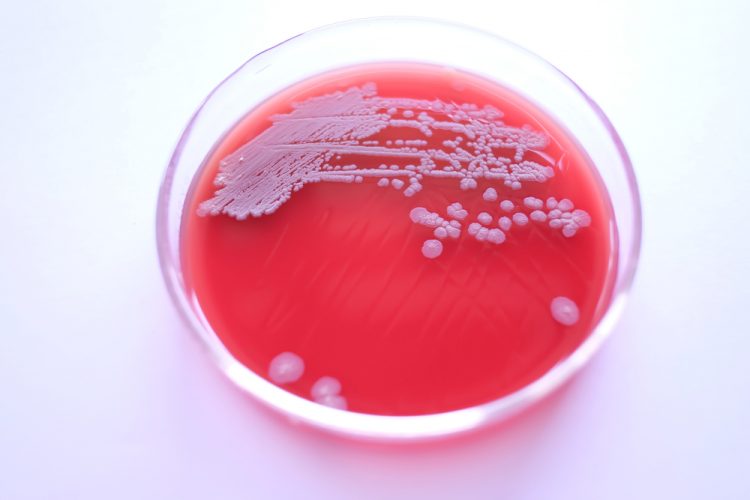
Study reveals that different Bacillus strains sporulate better in different media and conditions, establishing optimal parameters to produce spores for disinfectant efficacy studies.
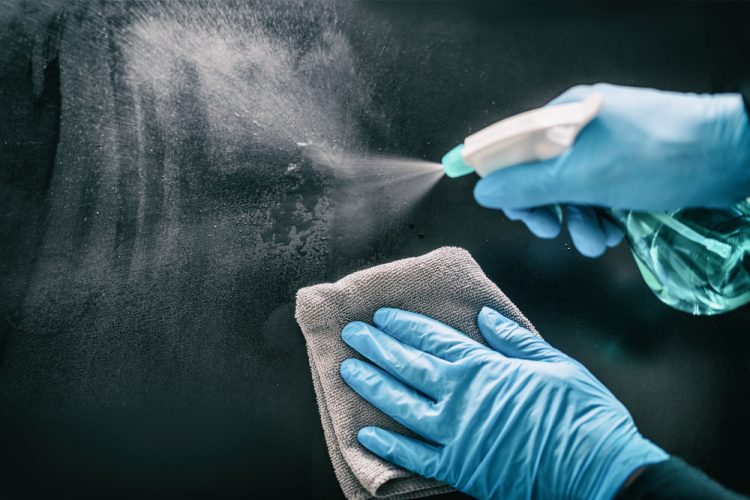
Here, EPR summarises Tim Sandle's review of different methods for transferring items into aseptic areas, including decontamination chambers and pass-through hatches.
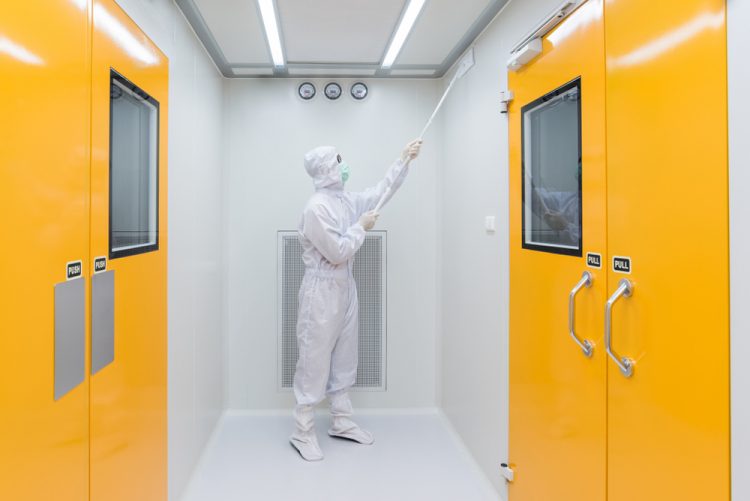
Here EPR summarises the salient points of a case study, presenting a strategy for identifying worst-case sampling locations on equipment for cleaning validation.
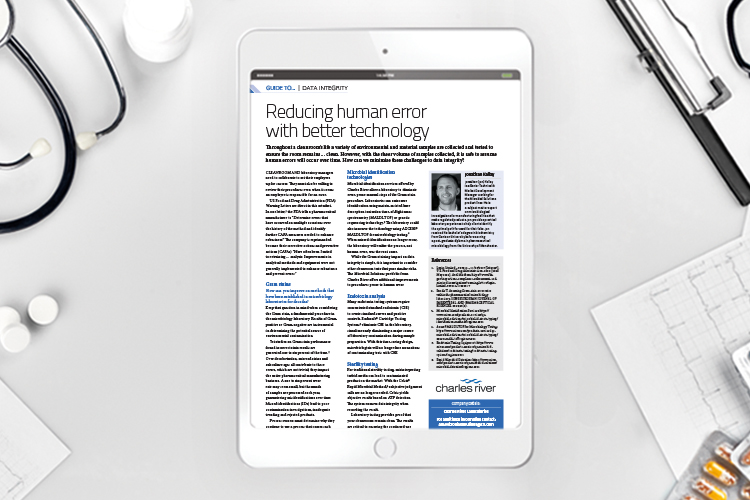
Cleanroom and laboratory managers need to collaborate to set their employees up for success. They must also be willing to review their procedures even when it seems an employee is responsible for an error.


Personal protective equipment (PPE) is a critical aspect of environmental and contamination control for compounding facilities, here we look at strategies to overcome PPE shortages.
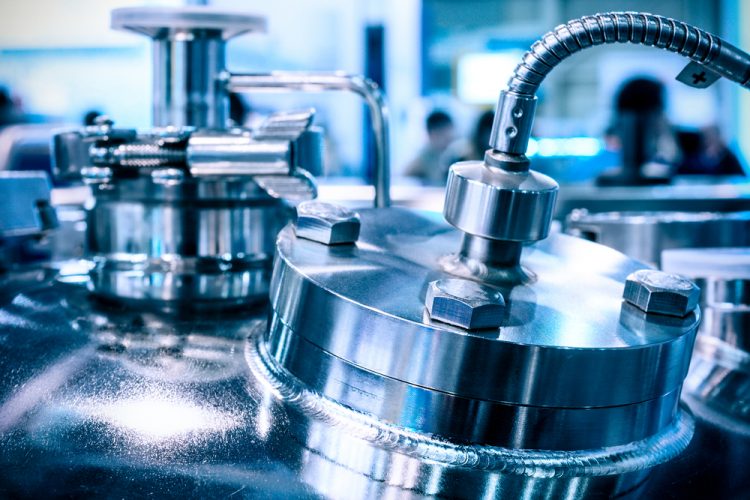
According to a recent paper, by specifying equipment surface roughness as well as finish, pharmaceutical manufacturers can limit microbial attachment.


New study suggests that Tryptone Soya Agar (TSA) settle plate desiccation during exposure can reduce recovery of airborne microbes.

Here, EPR summarises Dr William Whyte’s guidance for formally selecting cleanroom monitoring locations and action levels.
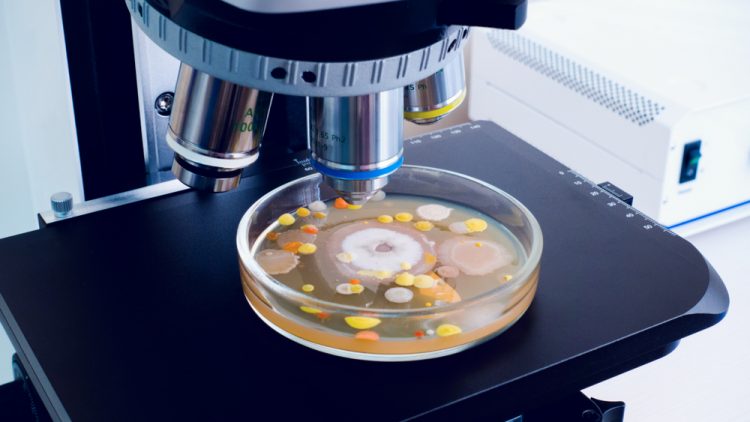
In this article, pharmaceutical microbiologist and contamination control expert Tim Sandle presents three microbial contamination investigation case studies, highlighting the key lessons for pharmaceutical microbiologists to take away and the underlying importance of identifying the root cause of microbial data deviations.


Researchers used computational fluid dynamics (CFD) simulations to assess their cleanroom airflow and suggest improvements that would reduce contamination levels.

