




news
Non-viral CRISPR could overcome cell and gene therapy bottlenecks
A new approach leveraging high-yield CRISPR could make it easier to re-engineer massive quantities of cells for therapeutic applications.
List view / Grid view
A new approach leveraging high-yield CRISPR could make it easier to re-engineer massive quantities of cells for therapeutic applications.


Reviewing the active pharmaceutical ingredient (API) content in essential medicines failing quality analyses in low- and middle-income countries (LMICs) reveals that more than 12 percent are substandard or falsified.


Here, David Elder discusses the risks presented by active pharmaceutical ingredient nitrosamines and explains how European and US guidance differs on their acceptable levels.

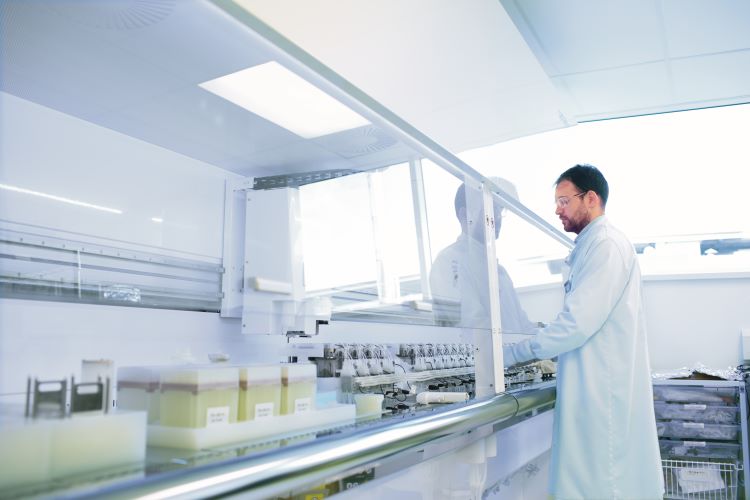
The critical need to rapidly develop new biological therapeutics was emphasised during the COVID-19 pandemic, prompting a sea-change in the speed with which development of complex biological medicines occurs. In parallel, the increasing demand for new molecular formats, such as multi-specific antibodies, to tackle a wide range of disease modalities…
![Sandoz company logo on office building in Warsaw city centre [Credit: Konektus Photo/Shutterstock.com].](https://www.europeanpharmaceuticalreview.com/wp-content/uploads/Sandoz-2-e1661424920546-300x278.jpg)
![Sandoz company logo on office building in Warsaw city centre [Credit: Konektus Photo/Shutterstock.com].](https://www.europeanpharmaceuticalreview.com/wp-content/uploads/Sandoz-2-e1661424920546.jpg)
A spin-off from parent company Novartis aims to set Sandoz up as the premier European generics company.


Gilead’s Sunlenca® (Lenacapavir) was authorised by the European Commission for people with multi-drug-resistant HIV who have very limited treatment choices.


A new health technology regulation is due to be applied to help EU countries determine the effectiveness of novel technologies and decide on pricing and reimbursement by health insurers or health systems. Here, Professor Vincenzo Salvatore and Giuseppe Ragucci from BonelliErede reflect on what this means for the UK and…


Antibody-drug conjugates (ADCs) are designed to be highly-targeted therapies with the potential to maximise the potency of a treatment while reducing unwanted side effects on healthy tissues. Some 20 years after the first ADC product approval, Dominik Schumacher and Jonas Helma-Smets of Tubulis GmbH discuss how improved and optimised technologies…

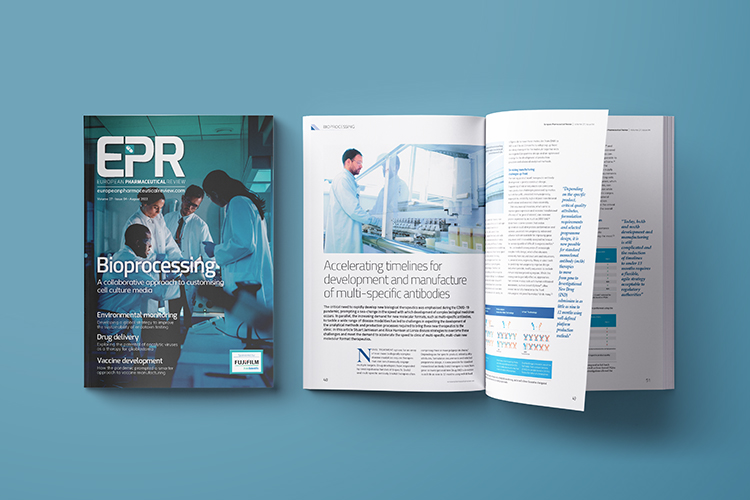
In EPR Issue 4, experts discuss implementing a global strategy to improve the sustainability of endotoxin testing, how to accelerate timelines for manufacture of multi-specific antibodies and the potential of oncolytic viruses as a therapy for glioblastoma. Also featured: progress towards smart vaccine manufacturing, an update on edible anticounterfeiting technology,…

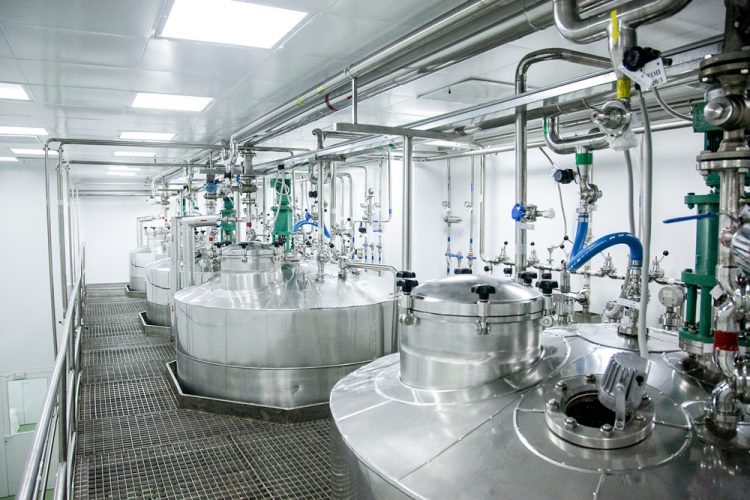
As biopharmaceuticals become an increasingly important part of the drug development pipeline and market, EPR discusses key trends in the outsourcing of their manufacturing.


Growth in the global pharmaceutical contract manufacturing market will be driven by rising consumption of medicines and increasing commercialisation of generic and innovative therapies, among other factors.


bluebird bio’s Zynteglo (betibeglogene autotemcel), a one-time treatment for transfusion-dependent beta-thalassemia, will roll out with a $2.8mn price tag per dose.


Under a collaboration agreement Merck will pay Orna $150 million to support the progress of multiple oRNA vaccine and therapeutic programmes.


Market research suggests the global formulation development outsourcing market will significantly expand in coming years, owing to disease burden and R&D expenditure.


Here AMR Industry Alliance representatives Melissa Gong Mitchell and Steve Brooks discuss how the Alliance is mobilising the life sciences sector in combatting antimicrobial resistance (AMR). They present the newly established antibiotics manufacturing standard that aims to minimise pharma’s contribution to AMR in the environment, considering the critical considerations and…

