
You are here: Home » Archives for HTS (High Throughput Screening)
HTS (High Throughput Screening) - Articles and news items
Issue 2 2011 / 19 April 2011 / Robin Ketteler, MRC LMCB, University College London
Autophagy is a cellular stress response to diverse stimuli such as starvation, infection and DNA damage. Autophagy plays important roles in the progression of various diseases including cancer, neurodegenerative diseases and Crohn’s disease. Despite recent advances in our understanding of the autophagy machinery, surprisingly little effort has been undertaken towards utilising this knowledge in drug discovery processes. Several phenotypic screens have been undertaken to identify drug candidates that modulate this process. Current highthroughput screening approaches assay the formation of the autophagosome and very little effort is made towards the identification of compounds that inhibit specific autophagy components. Here, I give an overview about potential molecular drug targets in the autophagy pathway and review the current status of targeted drug discovery towards identifying autophagy gene-specific drugs. (more…)
Issue 1 2011 / 16 February 2011 / Sheraz Gul, Vice President & Head of Biology, European ScreeningPort GmbH
Although many of the marketed small molecule drugs have been discovered by research and development efforts within the pharmaceutical industry, there has been a paradigm shift with external sources increasingly being relied upon to fill their pipelines. This trend is likely to increase and the key pre-clinical activities carried out by organisations outside the pharmaceutical industry include target validation, assay development and their use in High Throughput Screening campaigns, validation of the Hit molecules, Hit-to-Lead and Lead-to-Candidate screening/chemistry. In order to perform these activities, adequate know-how and technical expertise is essential so that the processes meet appropriate industry standards. This article discusses some of the challenges associated with assay development and the automation of High Throughput Screening. (more…)
Issue 6 2010 / 16 December 2010 / Carl A.K. Borrebaeck and Christer Wingren, Department of Immunotechnology and CREATE Health, Lund University
Deciphering crude proteomes in the quest for candidate biomarker signatures for disease diagnostics, prognostics and classifications has proven to be challenging using conventional proteomic technologies. In this context, affinity protein microarrays, and in particular recombinant antibody microarrays, have recently been established as a promising approach within high-throughput (disease) proteomics1-3. The technology will provide miniaturised set-ups capable of profiling numerous protein analytes in a sensitive, selective and multiplexed manner. (more…)
Issue 4 2010 / 19 August 2010 / Professor Alastair J. Florence, Solid-State Research Group, Strathclyde Institute of Pharmacy and Biomedical Sciences, University of Strathclyde
The majority of active pharmaceutical ingredients (APIs) are produced by crystallisation and so the phenomenon of polymorphism, whereby an organic molecule can adopt more than one crystalline form (Figure 1 ), is of considerable importance when trying to achieve consistent product quality during the manufacture of pharmaceutical solids and solid dosage forms. Although morphology and particle size-distribution are important solid-state characteristics, the uncontrolled occurrence of multiple physical forms (polymorphs, solvates, salts, co-crystals or amorphous) of an API can have significant effects on the performance of the material during processing, manufacture, storage and administration. For example, the solubility difference between some polymorphs has been shown to be over four times that of the least soluble form1 and can vary by significantly more for amorphous forms2. (more…)
Industry news, News / 21 July 2010 / NG Online News
Back in May, it was announced that new stem cell research would reduce the need for animal testing. Now, we are really beginning to see the benefits of groundbreaking science that is not reliant on out dated methods of testing. The proposal was that by reprogramming powerful stem cells from adult tissue, we could look towards a future without animal testing.
(more…)
Issue 3 2010, Past issues / 25 June 2010 / Peter Alcock, Colin Bath, Carolyn Blackett & Peter B. Simpson, Screening & Assay Sciences, Cancer Bioscience, AstraZeneca Alderley Park
Over the last 15 years, vendors have offered microscope-based instruments capable of producing images of fluorescent labelled components of cells grown in microtitre plates. These instruments are typically bundled with analysis software capable of defining the relative distribution of several fluorescent markers on a cell by cell basis1,2. As the readers have improved and image acquisition and analysis times have reduced, the potential for screening larger compound libraries has presented itself. High Content Screening (HCS) i.e. the generation of multiparameter data from a single well, has thus become an important tool in the High-Throughput Screening (HTS) laboratory. (more…)
Issue 3 2010, Past issues / 24 June 2010 / Fernando A. Ramon Olayo, Manager, GlaxoSmithKline
The pharmaceutical industry has significantly influenced laboratory automation trends in the past two decades. The need to screen large collections of chemical entities in a short time with minimised consumption of reagents has driven a strong demand of parallelisation, automation, simplification and miniaturisation solutions from the suppliers of instruments, labware and assay technologies. Currently, the levels of automation and miniaturisation seem to have reached a plateau and the new paradigms are flexibility and information content. (more…)
Issue 6 2008, Past issues / 3 December 2008 /
High Throughput Screening (HTS) has for many years now been playing a central role in drug discovery efforts to aid the identification of small molecule chemical entities that are capable of modifying the activity of disease relevant targets1. In order to make HTS a viable option to provide appropriate starting points for drug discovery efforts, large libraries of compounds are required that contain diverse chemical space.
These libraries are typically composed of 0.5 to 3.0 million distinct compounds in solution (usually DMSO) of which 10,000 to 100,000 are available in solid form. Subsequent to the execution of an HTS at an appropriate single concentration of compound, thousands of these are typically identified and are classified as actives. Some of these initial actives may be false positives, therefore their activities are usually confirmed in independent experiments carried out in duplicate followed by dose-response experiments to determine their potencies. The final set of confirmed actives is termed validated hits. Appropriate selectivity and liability assays enables annotation of these compounds and the most promising ones can be considered for structure-activity-relationship (SAR) studies. The SAR process is an iterative process in which new compounds are synthesised, their activities determined in appropriate assays, followed by further synthesis and compound profiling. Upon achieving the desired properties in the compound, potential starting points (lead like molecules) are obtained which would undergo a series of in-vivo validation studies. Subsequent lead optimisation could result in a pre-clinical candidate molecule which would enter a period of efficacy, safety and absorption, distribution, metabolism, excretion and toxicity (ADME-Tox)2 testing in animals and ultimately enter the various human clinical studies. The time period for a drug discovery program from its conception to initiation of human clinical trials is typically in excess of five years and consumes tens of millions of dollars. This article will overview how liquid handling technologies have aided the successful development of screening compatible assays. (more…)
Issue 3 2007 / 23 May 2007 / Colleen B. Jonsson, Ph.D., Program Leader, Emerging Infectious Disease Research and E. Lucile White, Manager, High-Throughput Screening Center and Enzymology Laboratory, Southern Research Institute, Birmingham, AL, United States
There are over 300 human viruses that have no treatment, vaccine or antiviral. Unfortunately, only sixty-two drugs are approved by the US Food and Drug Administration (FDA) for the treatment of six different viral illnesses. Of these, 45% are for the treatment of HIV/AIDS. The remaining drugs offer treatments that target hepatitis B and C, herpes, influenza, and respiratory syncytial viruses. Antiviral drugs can play a significant role in the containment of an outbreak of an emerging virus. Vaccination of individuals during an outbreak can also prove effective; however, protection of an individual from the threat may not occur for two or more weeks after the initial vaccination. Hence, only a drug can be offered as a prophylactic treatment of individuals in an endemic area.
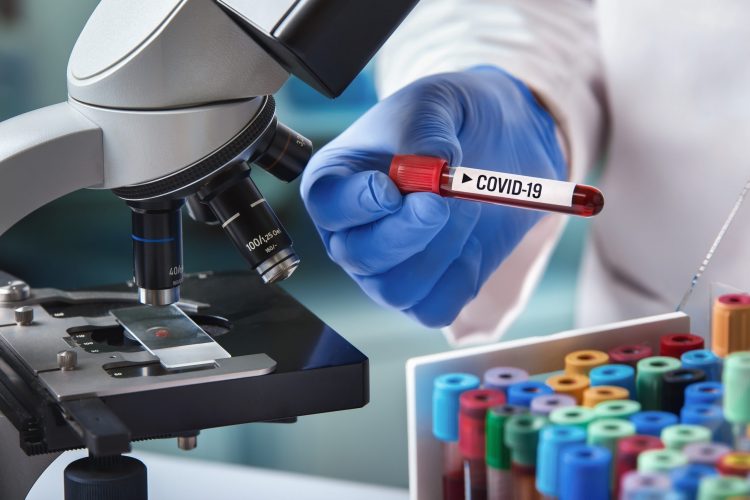
The following case study presents the Southern Research Institute (SRI) approach to enabling the rapid discovery of new antiviral lead compounds for the treatment of the influenza virus1, which has also been successfully applied to SARS CoV2 and other emerging viruses. High throughput screening is a system used in pharmaceutical and biotechnology companies to screen a large number of compounds in a short period of time. In screening a library of over one million compounds, we have demonstrated that three primary areas should be taken into consideration: (1) adapting cell-based assays for HTS (2) logistics of screening and assessing the results from 1,000,000 compounds, and (3) confirming hits and obtaining early mechanism of action information. (more…)
Issue 2 2007, Past issues / 27 March 2007 / Douglas S. Auld, James Inglese, Ajit Jadhav and Christopher P. Austin, NIH Chemical Genomics Center, National Institutes of Health, Bethesda, G.Sitta Sittampalam, Chahrzad Montrose-Rafizadeh and James E. Mcgee, Lead Generation & Lead Optimization Biology, Discovery Chemistry Research & Technology and Philip W. Iversen, Global Discovery & Development Statistics, Eli Lilly & Company
Industrial scale technologies developed and applied within the pharmaceutical industry for the purpose of drug discovery have recently been adopted by many research laboratories for the purpose of facilitating chemical genomics. Taking full advantage of these technologies will require education in high-throughput screening assay systems as well as new methods that exploit the capabilities of existing technologies.
(more…)
Issue 6 2006, Past issues / 28 November 2006 / Colleen B. Jonsson, Program Leader, Emerging Infectious Diseases Research, Southern Research Institute
Over the past few decades we have experienced a dramatic increase in the rate of emergence and re-emergence of infectious diseases1,2. Many of these diseases, such as SARS, resulted in fewer than 1,000 deaths, but caused an estimated 2 per cent decline gross domestic product in East Asia. The economic impact of a pandemic influenza outbreak could result in the loss of millions of lives and cost an estimated 900 billion (US).
(more…)
Issue 5 2006, Past issues / 28 September 2006 / Werner Stuermer, Altana Pharma
Historically (until the late 1980s), compounds discovered by phenotypical in vivo screens were at least characterised with implicit ADMET data. An attractive compound in these test systems was available at the (usually unknown) target; had a minimal toxicological profile (the animal did not die immediately) and gave phenotypical (High-Content) information in the animal used for the experiment.
(more…)
Login to access exclusive content