


news
Collaboration to develop automated platform for environmental monitoring
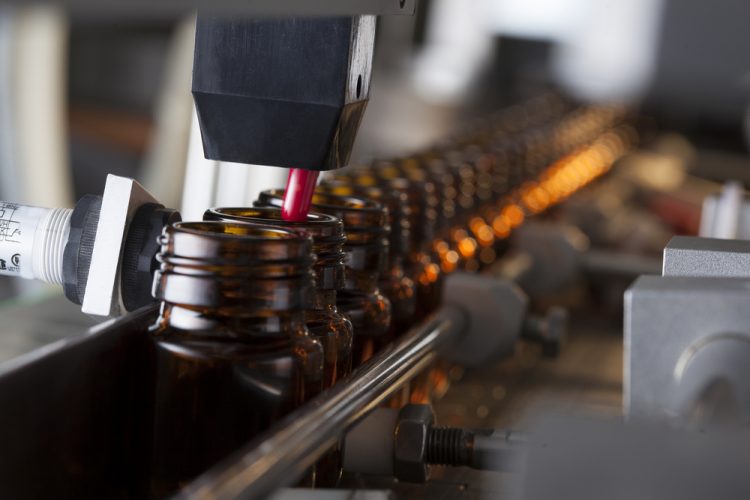
An Irish partnership between academia and industry aims to develop a robotic method for automated environmental monitoring in bioprocessing.
List view / Grid view
An Irish partnership between academia and industry aims to develop a robotic method for automated environmental monitoring in bioprocessing.


Drug Target Review rounds up some of the latest developments in materials developed for medical applications, including hydrogels, implants and more.
The US Food and Drug Administration (FDA) issued the letter after finding the products contain chlorine dioxide, a powerful bleaching agent with potentially fatal side effects.

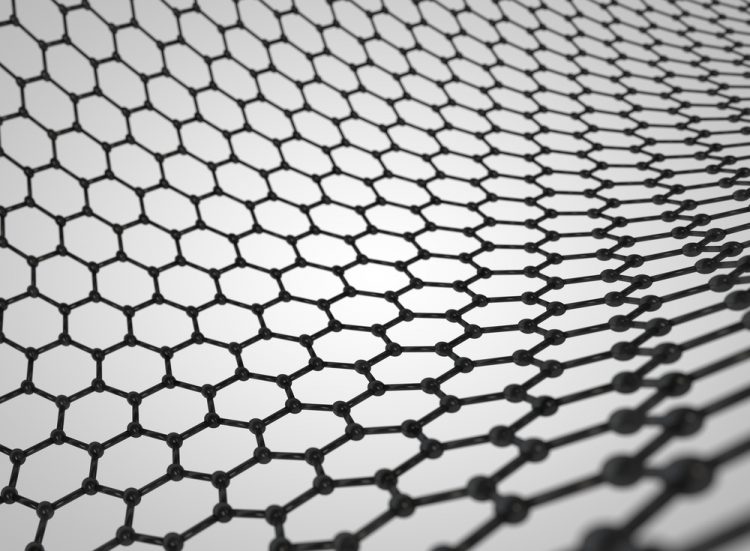
A group of researchers has developed a nanotechnology with a single bristle controlled through electron microscopy that can clean surfaces.
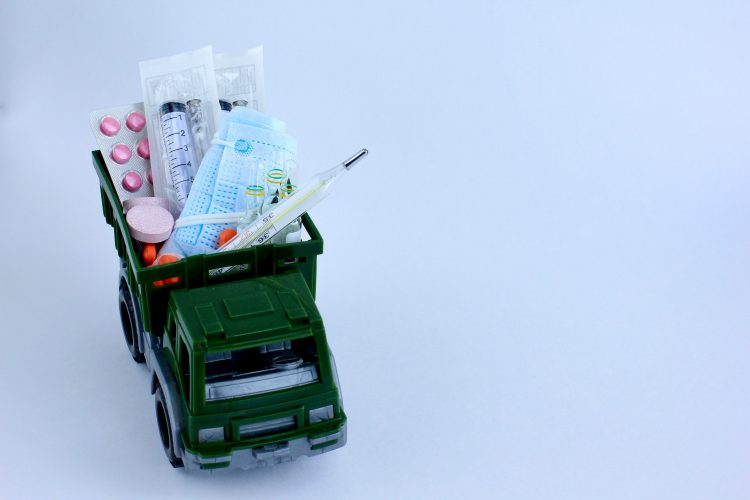
The European Medicines Agency (EMA) and other authorities have created a new shortage reporting system and are looking into how regulations can be applied more flexibly during the COVID-19 pandemic.

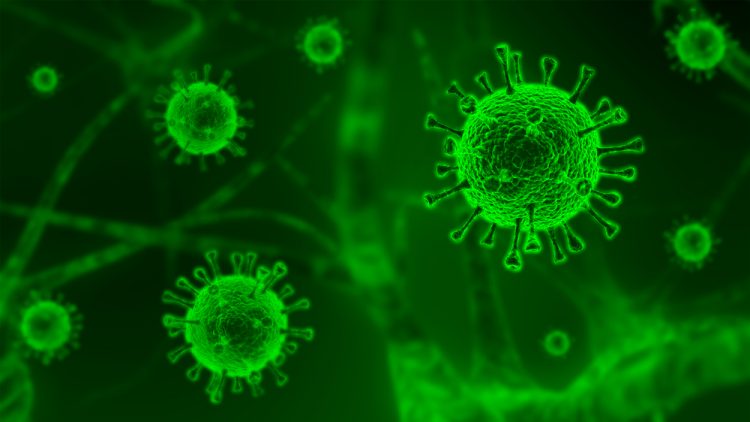
The MHRA and Council of Europe have both announced measures to prevent the spread of falsified or unlicensed COVID-19 medical products.


Virtual tools are being increasingly utilised by pharma companies to replace in-person meetings following the outbreak of the COVID-19 pandemic.
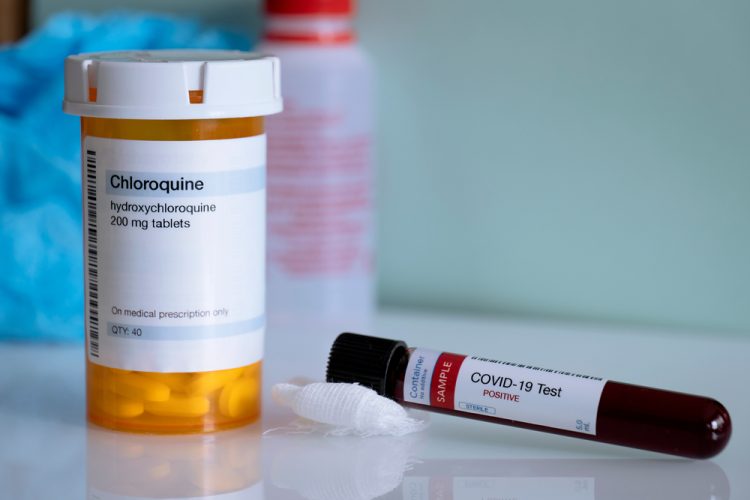
An open letter from doctors highlights that although chloroquine and hydroxychloroquine are strong candidates to fight COVID-19, there is a limited supply.
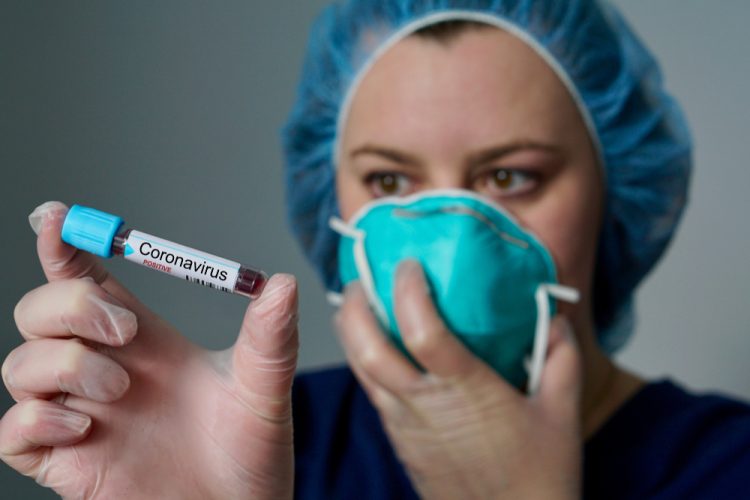
Lilly, Merck and Pfizer have announced how they will enable their employees to volunteer in programmes to combat COVID-19 while on base pay.


Maurits Lugard, Josefine Sommer and Antoine Robin from Sidley Austin dissect the recently released EU guidance to accompany the MDR, on what a significant change is and how to collect clinical evidence for medical device software.


Pharmaceutical manufacturing can lead to the contamination of water ways and supply. Here, the ultimate effects from pharma’s role in environmental pollution is examined.
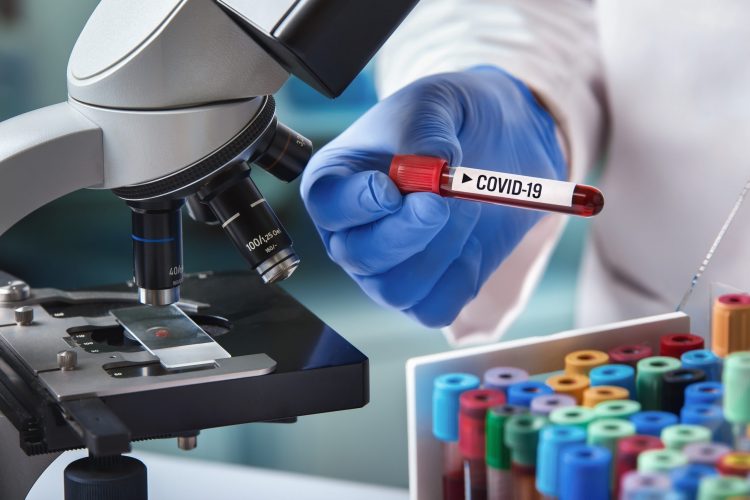
The institute has paused cancer research and repurposed its laboratories and scientists to provide a rapid COVID-19 testing facility for NHS staff and other key workers.
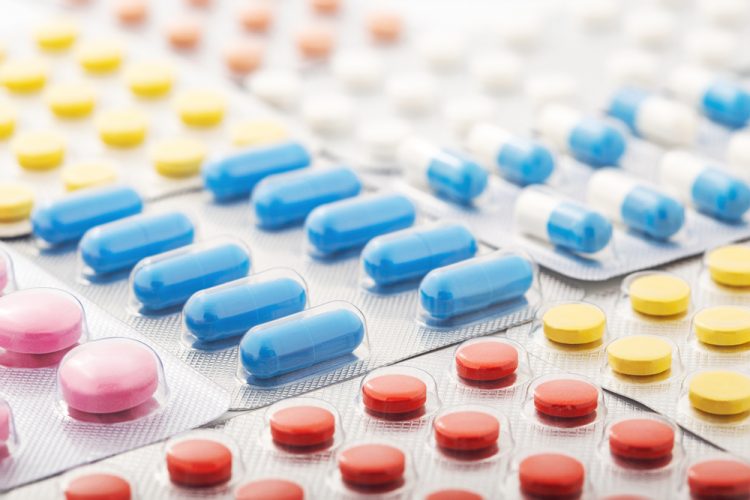
The EMA has published its regulatory strategy until 2025, highlighting that it will use the COVID-19 pandemic to adapt its processes as needed.
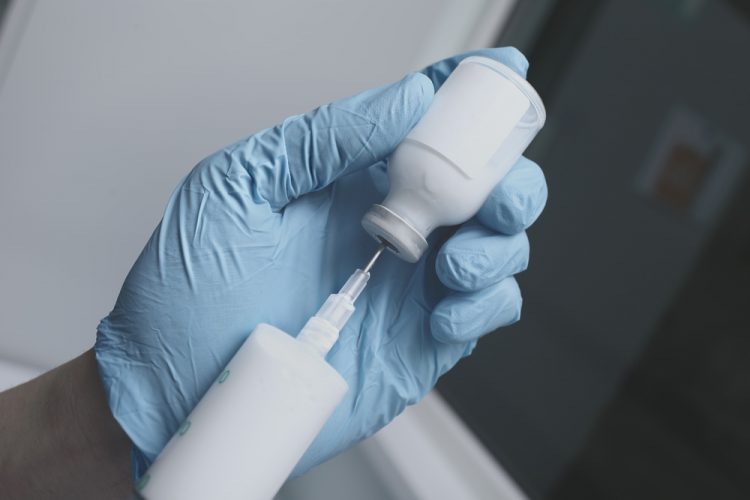
The FDA has announced that Dr Reddy's is recalling Phytonadione injectable emulsion because of complaints due to ampules breaking and shattering.
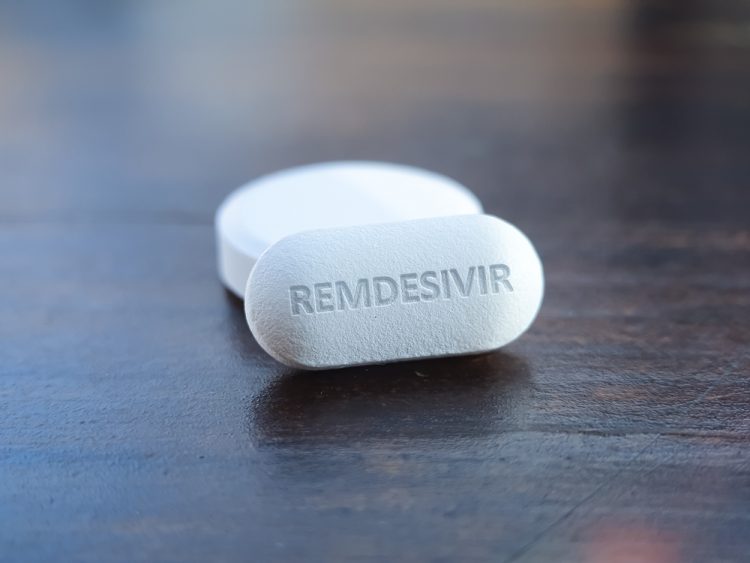
Gilead Sciences has announced that two Phase III studies to test the safety and efficacy of remdesivir in COVID-19 patients have begun.

