



news
Jefferies announces support for new pre-filled syringe packaging solution
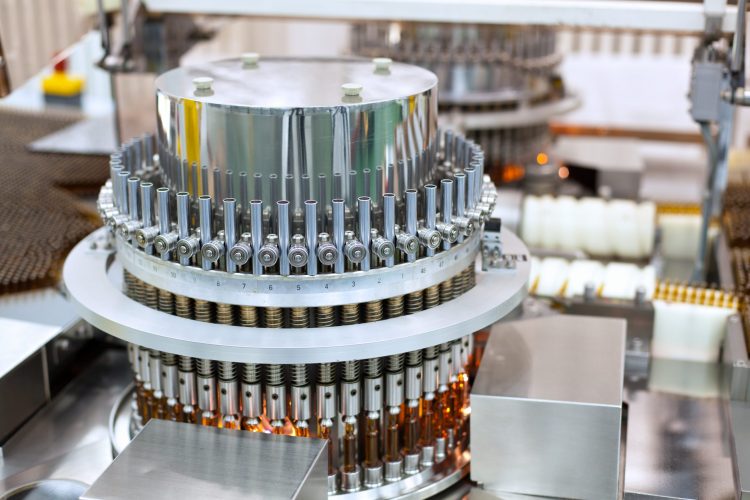
A private-public consortium to develop pre-filled syringe packaging has been backed by Jefferies, including a seed capital commitment of at least $10 million.
List view / Grid view
A private-public consortium to develop pre-filled syringe packaging has been backed by Jefferies, including a seed capital commitment of at least $10 million.
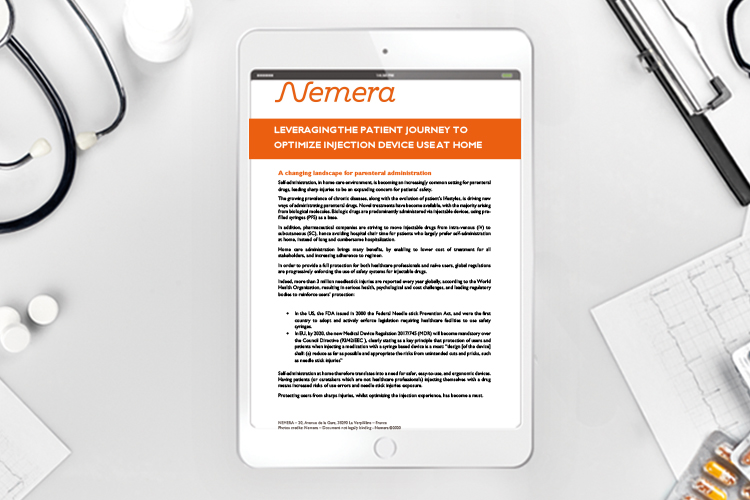
With the growing trend of injection device use at home, the device optimisation is essential to increase patient safety during self-administration.
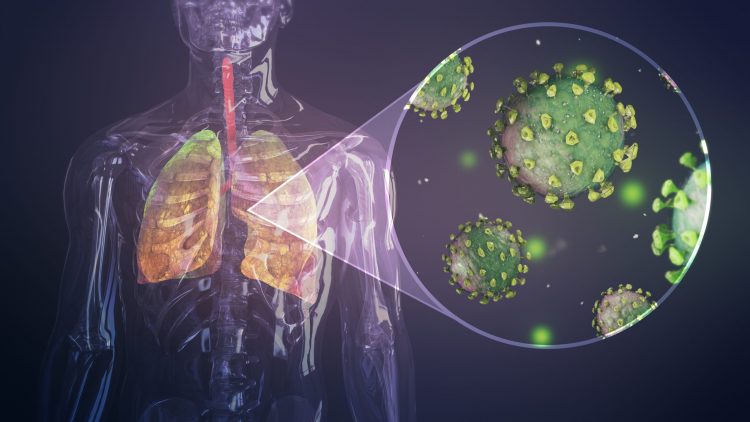
Hospitalised patients in the UK will inhale the interferon beta 1a (IFN-β) formulation or a placebo to see if SNG001 is effective against the COVID-19 coronavirus.
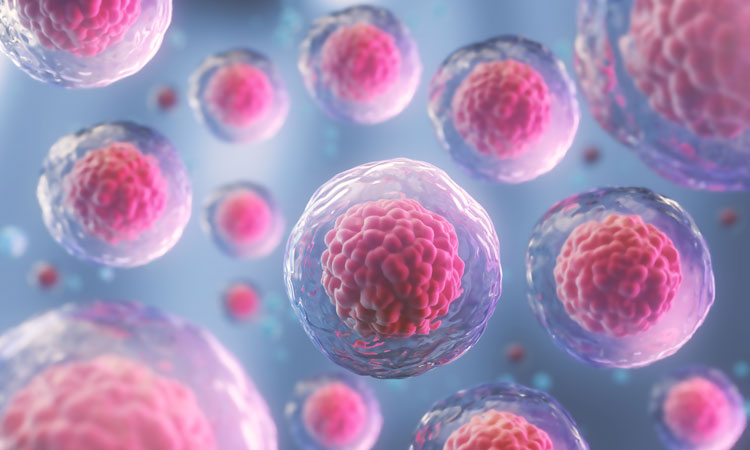
Researchers have developed a new device, called a ‘spiral hydroporator’, which uses the power of a tiny fluid vortex to rapidly and efficiently deliver nanomaterials into cells.
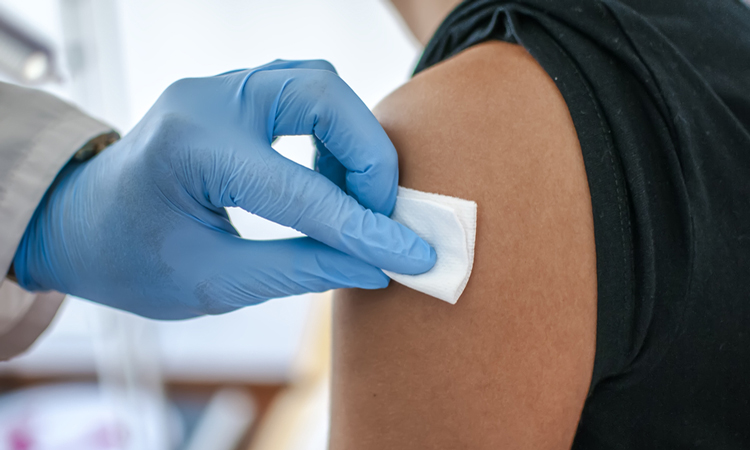
A clinical trial has shown that delivery of vaccines via a new high-density microarray patch (HD-MAP) induces a better immune response than needles or syringes.
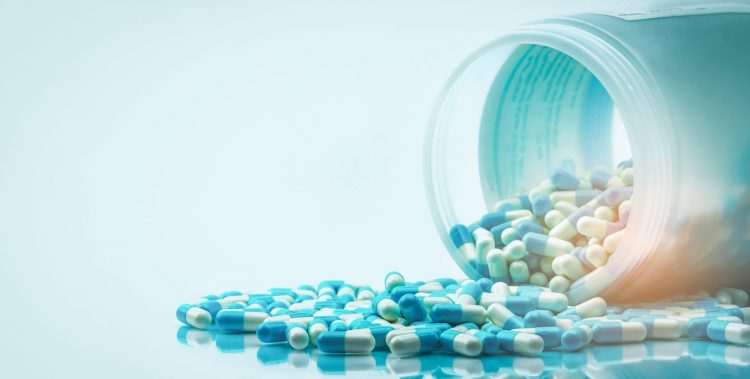
Developers have announced that they are ready to manufacture and formulate an innovative novel coronavirus vaccine capsule.


Researchers have developed a new rubber-like material that they say has the potential to be used as a form of drug delivery due to its nanopores.
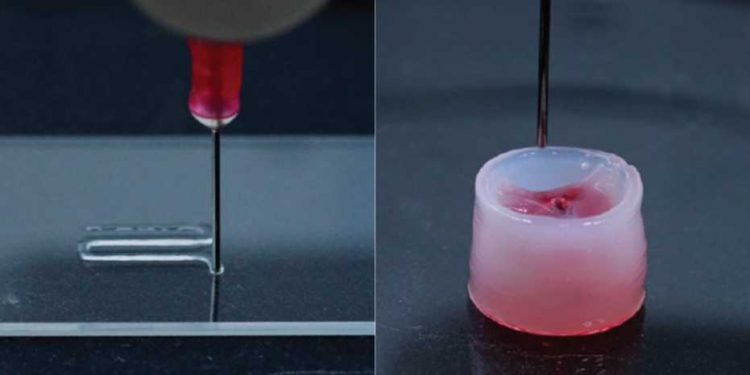
Researchers have created an innovative 3D printing carrier ink to drive the development of personalised biomaterials for cell and drug delivery.
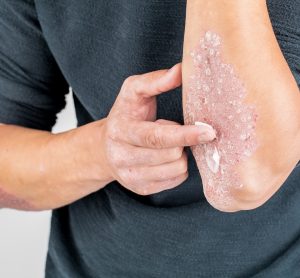
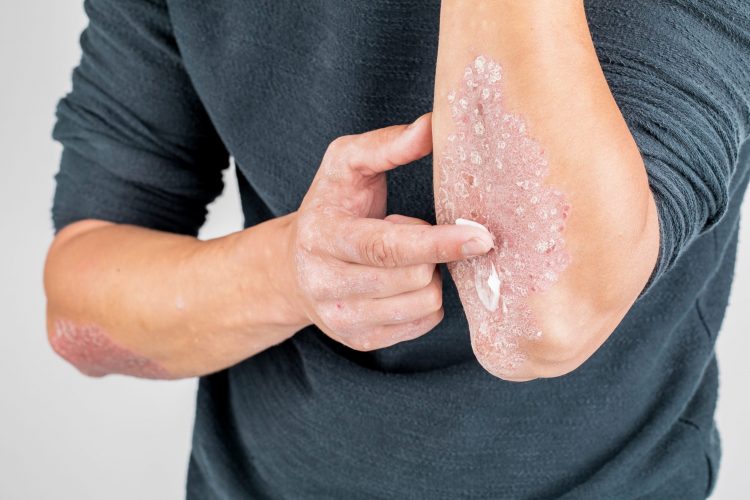
Novel particles could be incorporated into topical creams to treat dermatological conditions without systemic exposure to drugs.
Extensive portfolio of quality control solutions. Full regulatory compliance (USP, EP, JP Pharmacopoeias) of your sterility testing workflow.
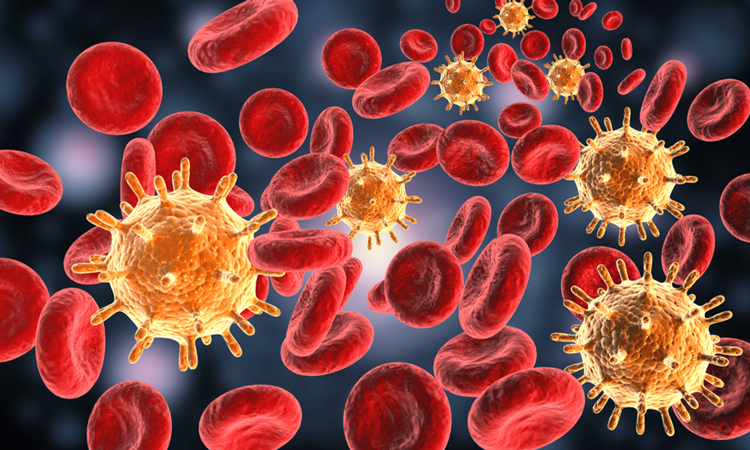
Using AAV-based technology to deliver mAbs in a Phase I trial, researchers report that participants successfully developed antibodies against HIV.


Researchers have identified a tiny protein in scorpion venom that rapidly accumulates in joint cartilage to deliver arthritis drugs in a pre-clinical study.


The DURYSTA ocular implant has been approved by the FDA to reduce intraocular pressure in open-angle glaucoma or ocular hypertension.
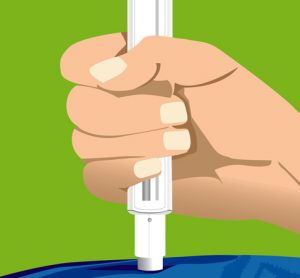
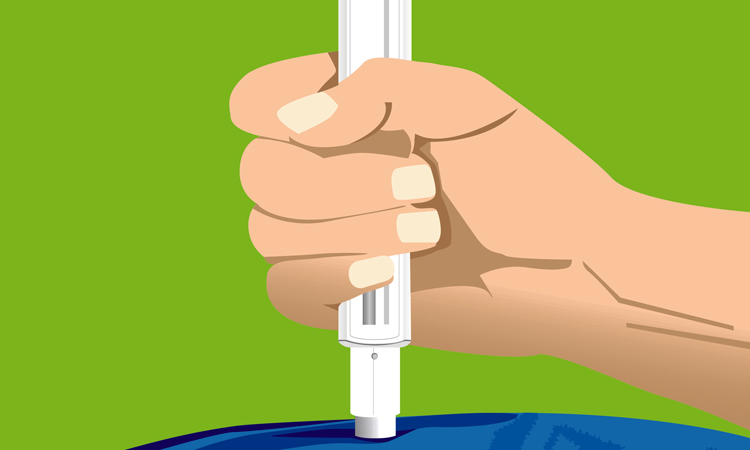
The UK MHRA has announced that Emerade 150 micrograms solution for injection is being recalled due to an error in one component of the auto-injector.


Stabilising DNA nanostructures using glutaraldehyde to tether an electrostatic PEGylated oligolysine net to the DNA enabled them to survive degradation in animal models.

