




whitepaper
Brochure: Thermo Scientific Charged Aerosol Detectors
Charged aerosol detection is a technique capable of measuring any non-volatile and many semi-volatile species in a pharmaceutical applications.
List view / Grid view
Charged aerosol detection is a technique capable of measuring any non-volatile and many semi-volatile species in a pharmaceutical applications.
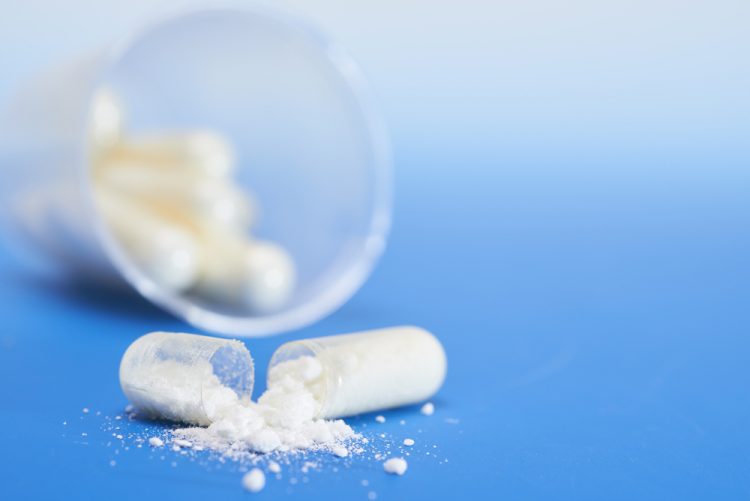
New research has shown that the global pharmaceutical excipients market is expected to grow from $6,496.05 million in 2018 to $9,847.12 million in 2025.
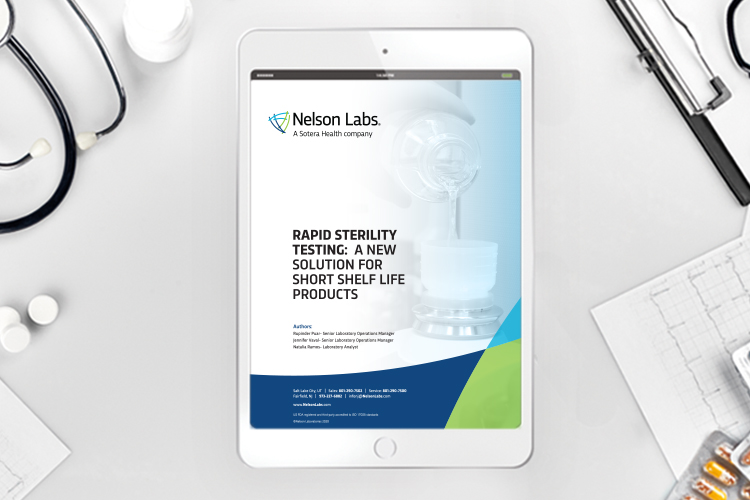
All drug products have to undergo sterility testing to comply with Good Manufacturing Practices (GMP). Rapid sterility testing, which offers an incubation period of five days or less, provides a solution.
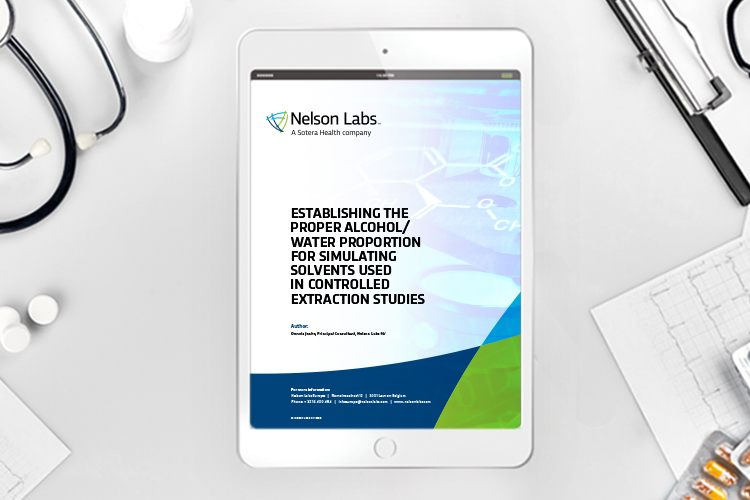
This paper provides scientific guidance as well as a case study on the effect of solvent polarity (ethanol/water proportion) on the levels of extractables.
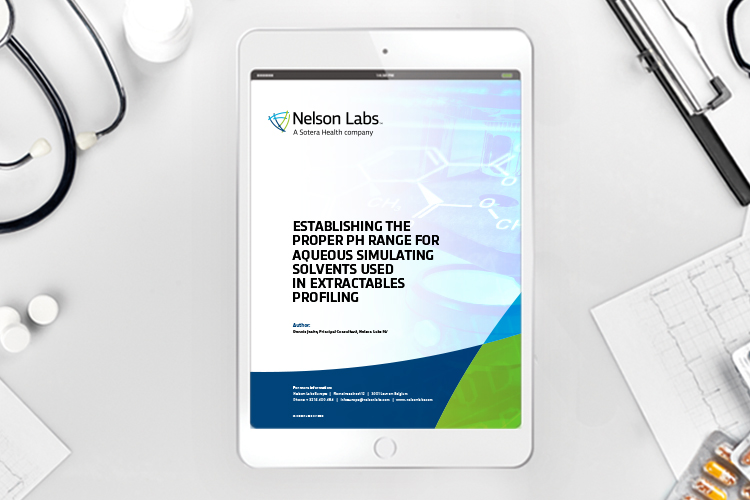
This whitepaper considers the chemical properties of commonly encountered acidic and basic extractables and uses these properties to address questions about establishing the proper pH (or proper pH range).


Duplex oligonucleotides (OGN) with lipid nanoparticles (LNPs) as delivery vehicles for different therapeutic indications are of great interest in pharma, exemplified by the recent approval of Onpattro from Alnylam Pharmaceuticals. Liquid chromatography is an essential analytical technique in the characterisation of LNPs containing OGNs. This brief review is intended to…
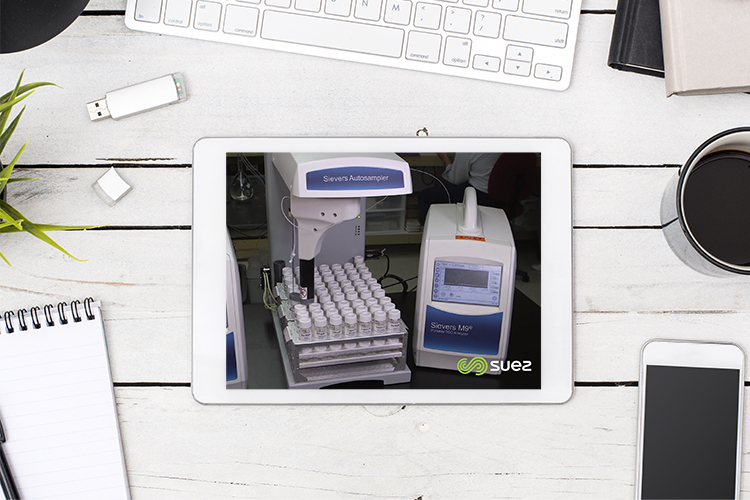
TOC analysis in the lab, at-line, or online enables efficiency gains and process understanding for cleaning validation and monitoring programs.


7 February 2020 | By OSIsoft
Trustworthiness in data is critical for operations within the pharmaceutical and life sciences industries, whether it is for compliance, operational excellence, reporting or development. Hear the latest findings from OSIsoft’s research in our on-demand webinar.


ICH M9 biopharmaceutics classification system-based biowaivers1 is currently at step 2b and feedback from interested parties is being evaluated.2 This guideline should reach the implementation stage (step 4) during 2020. However, industry still has concerns relating to several key areas of the guidance. Here, Dave Elder summarises these ICH M9…
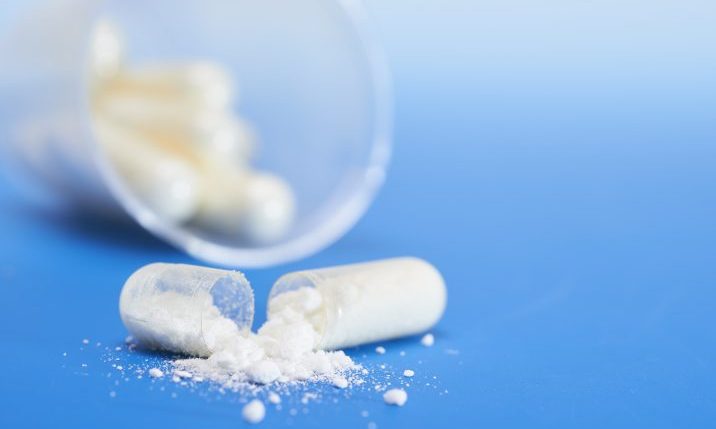
Excipients are integral components of pharmaceutical drug products. Their demand is expected to increase over the next five years owing to their ability to perform various functions such as improving active pharmaceutical ingredient (API) stability, modifying drug release and taste masking. Here, Prateeksha Kaul explores the factors and trends that…
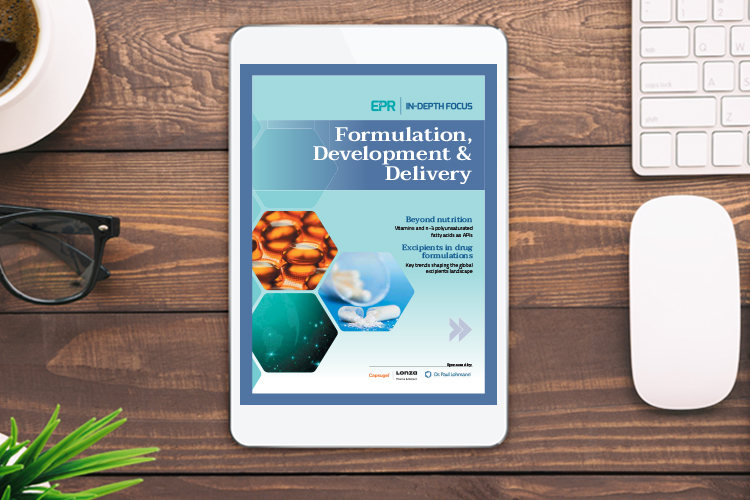
Included in this in-depth focus are articles on using vitamins and fatty acids as APIs as well as the trends that have influenced the global excipients market.
29 October 2019 | By Thermo Fisher Scientific
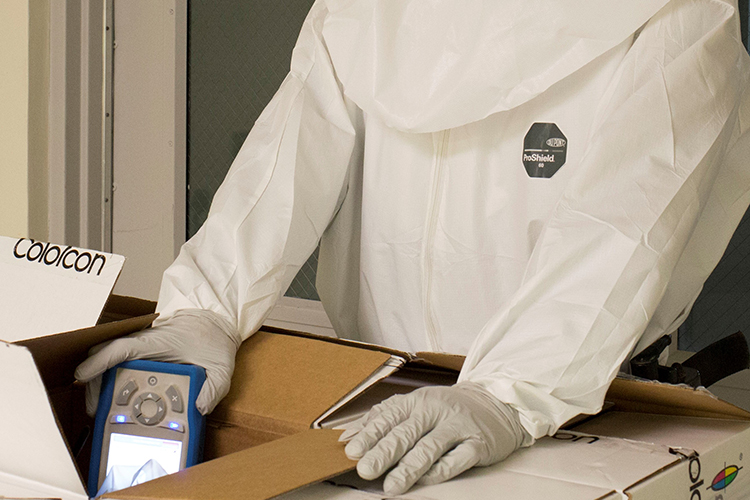
This webinar explored the use of the Thermo Scientific™ handheld Raman analyser TruScan™ RM with TruTools™ on-board chemometrics to verify the identity of challenging raw materials.
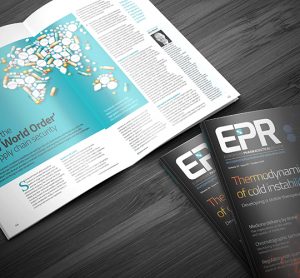

Within this issue is an analysis of the impacts that low temperature can have on protein aggregation, a discussion on maintaining the safety and quality of medicines when delivered using drones and an exploration of chromatographic techniques used to identify impurities in radiopharmaceuticals. Other articles focus on regulatory non-compliance, excipients…


CPhI Worldwide now comprises six individual pharma events and more than 20 dedicated zones.

Medicinal products typically cannot be manufactured without using excipients. Here, Dave Elder and Fabio Faïs discuss factors for excipient selection and the importance of defined allowable limits to ensure continued product safety.

