

news
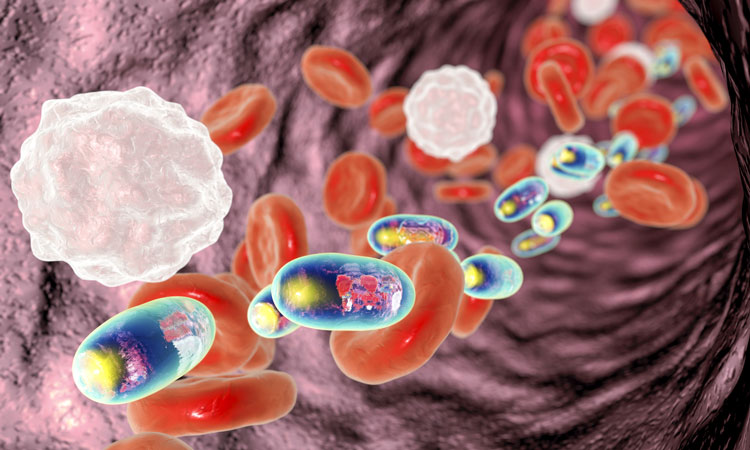
New polymer coating for improved cancer targeting of nanomedicine
A new study published in the Journal of Controlled Release reports some intriguing developments in the tumour-targeting delivery of nanomedicines.
List view / Grid view
A new study published in the Journal of Controlled Release reports some intriguing developments in the tumour-targeting delivery of nanomedicines.
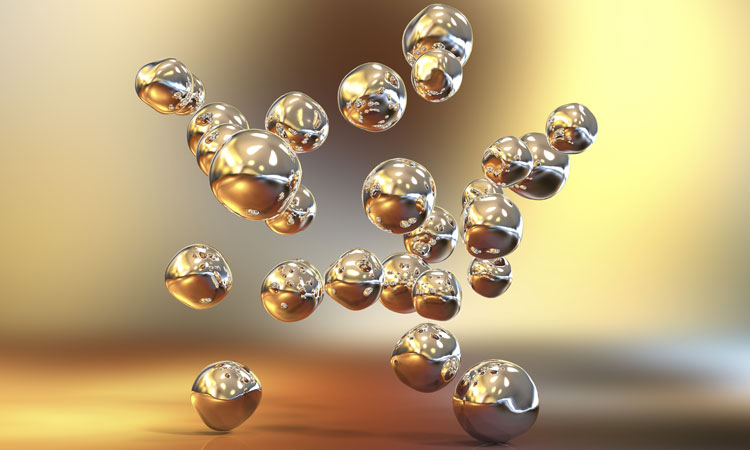
The results of a recent international study suggest that left-handed gold nanoparticles can increase vaccine effectiveness by 25 percent, providing useful adjuvant capabilities.
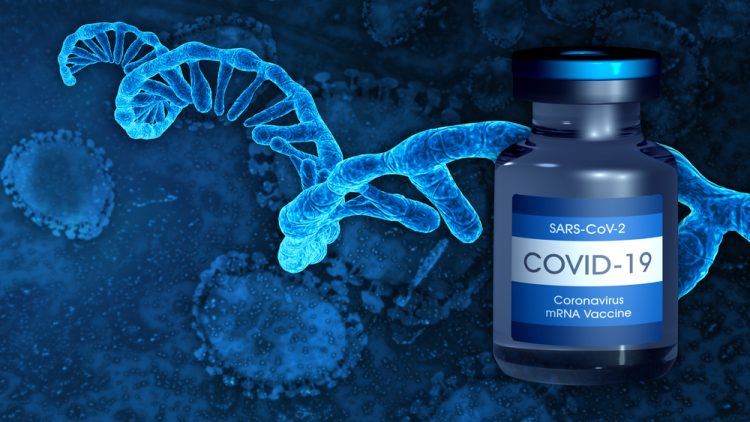
Katalin Karikó, Robert Langer and Drew Weissman win BBVA Foundation Frontiers of Knowledge Award in Biology and Biomedicine for driving the advance of messenger RNA (mRNA) therapeutics.
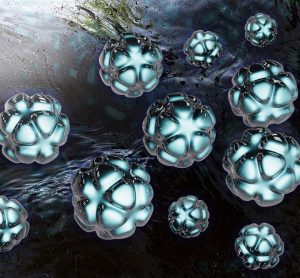
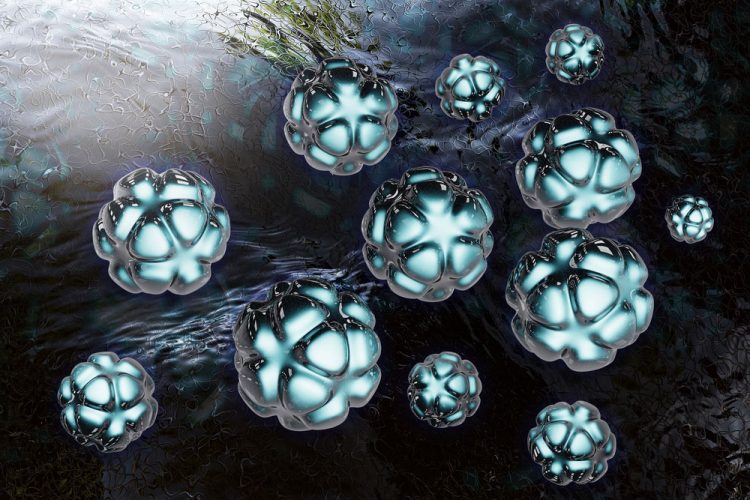
Scientists have developed a stabiliser-free, non-toxic poly(lactic-co-glycolic acid) (PLGA) nanoparticle formulation for use in drug and vaccine delivery.

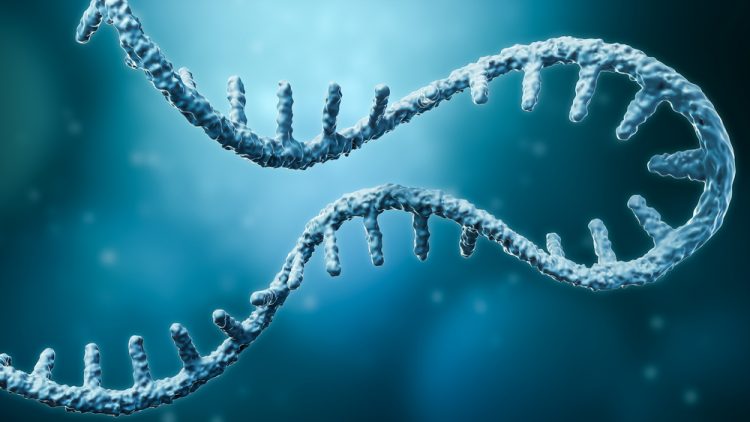
Sanofi’s first mRNA COVID-19 vaccine displayed neutralising antibody seroconversion in 91 to 100 percent of participants in a Phase I/II study.
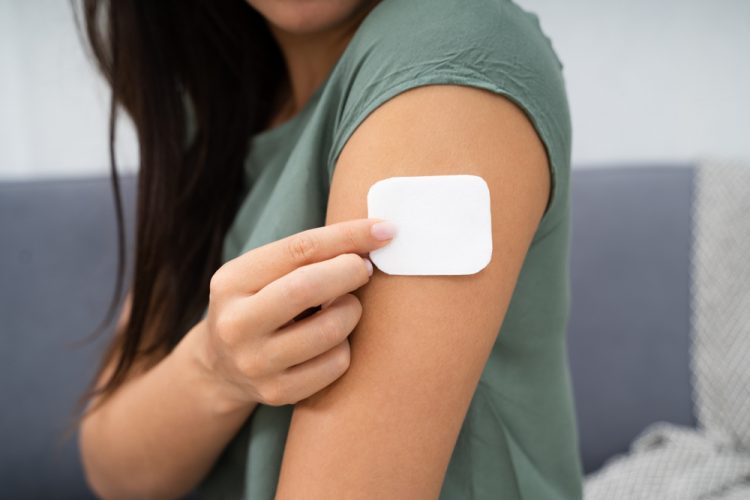
A microneedle patch, which can be stored for >30 days at room temperature, safely delivered a DNA-based COVID-19 vaccine in mice.
It might be easy to dismiss non-life-threatening diseases of the skin or nail as trivial, but their impact on physical and mental wellbeing can be significant. Such diseases are obvious targets for topical treatments, but the lack of effective formulations means patients are often faced with the prospect of oral…


A newly developed investigational microneedle patch caused mice to regrow hair faster than minoxidil, a leading alopecia treatment.


In a pre-clinical study, researchers were able to genetically engineer cell membrane-coated nanoparticles to deliver dexamethasone directly to the inflamed lungs of mice.
Nanoparticles offer a promising alternative to conventional drug delivery that allow for more precise targeting and controlled release. Here, Dr Fabrice Navarro discusses the benefits of these nanocarriers and their potential as a therapy for inflammatory bowel diseases (IBDs).
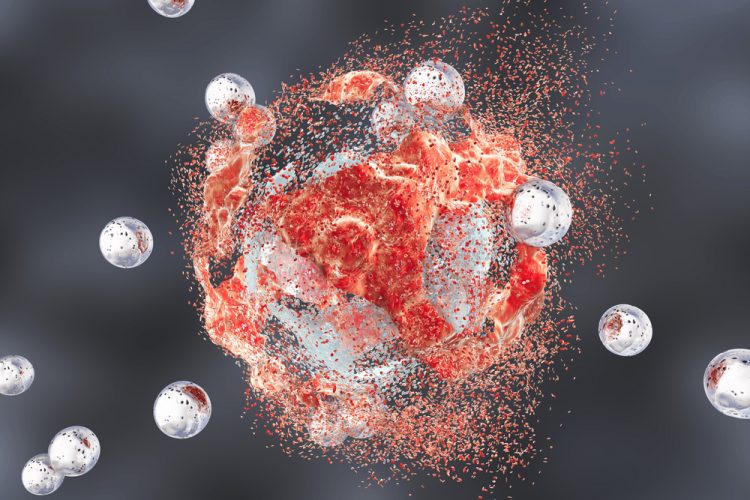
The new nanoparticle formulation enabled researchers to selectively target glioma cells with Dp44mT, a potent chelator and promising anti-cancer therapeutic, for the first time.

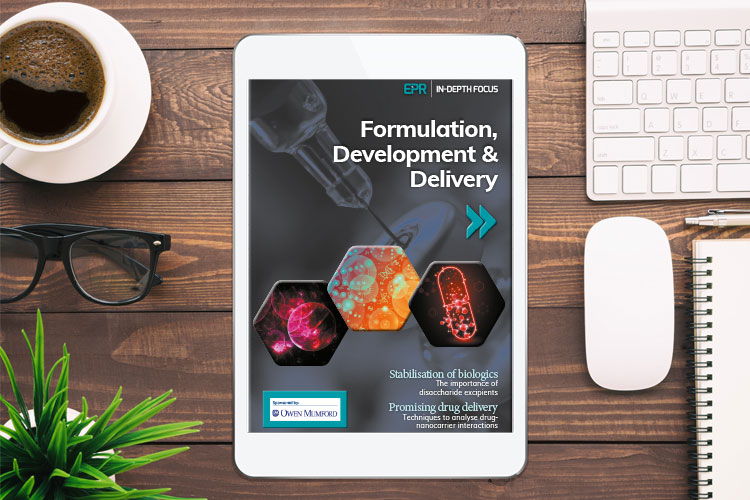
Download this in-depth focus to explore the use of disaccharide excipients in stabilising biologic drugs and learn about a novel technique for investigating drug-nanocarrier interactions.


A new partnership aims to improve blood-brain-barrier penetration in the nasal drug delivery route for certain Parkinson's therapies.
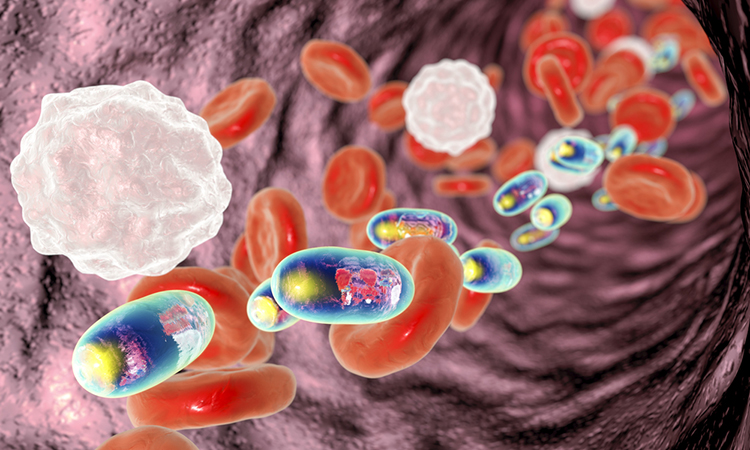
The first-in-human clinical trial of nanoformed piroxicam will begin in late 2020, with results expected by mid-2021.
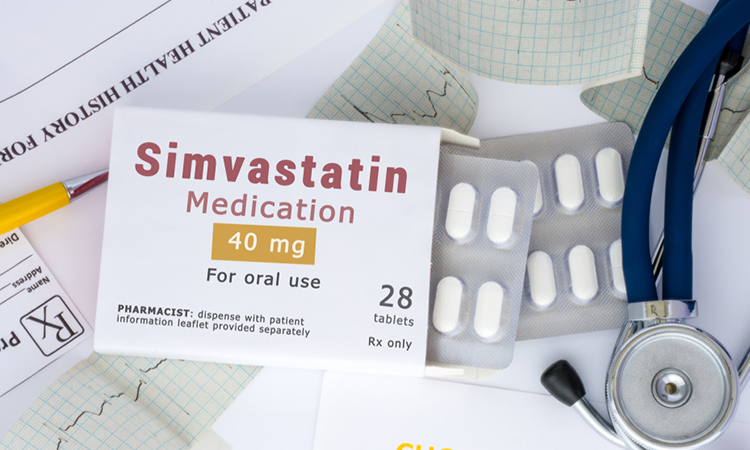
Researchers have shown that mucoadhesive buccal films containing simvastatin inclusion complex and drug mixed micelles can improve the drug's bioavailability.

