




Prodrugs: seeking perfection in an imperfect world
Balancing safety, efficacy and cost in drug development is challenging. Prodrugs offer potential solutions, but also introduce additional complexities, as Dave Elder explains.
List view / Grid view
Balancing safety, efficacy and cost in drug development is challenging. Prodrugs offer potential solutions, but also introduce additional complexities, as Dave Elder explains.
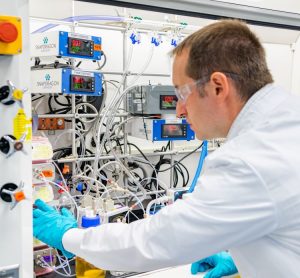
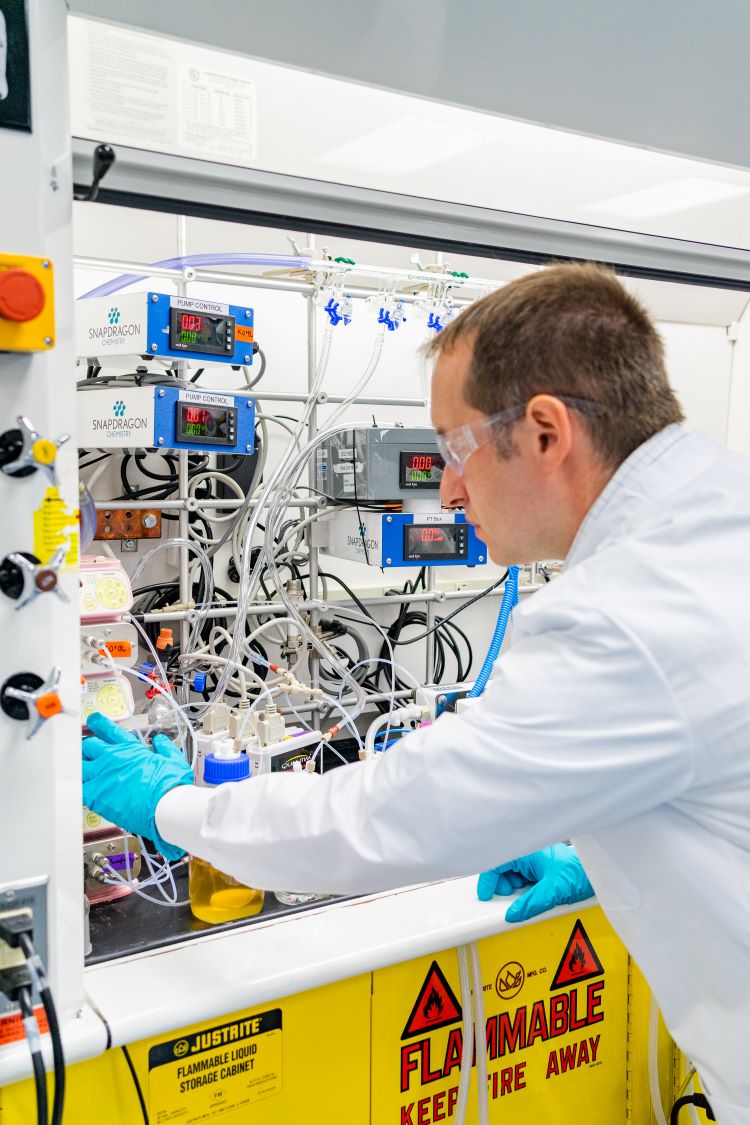
Continuous chemical manufacturing technology has been in use for more than 100 years producing high-volume commodity chemicals. However, it was not until the early 2000s that the technology caught the attention of the pharmaceutical industry in a significant way.


It is well known that nature, being a rich source of bioactive natural products, offers up a massive number of candidate drugs for the pharmaceutical industry. David Blanco, Industrial BD and CDMO Director at Suanfarma CDMO, reveals why biofermentation benefits from additional processing to produce a viable drug candidate.

In this Guide to Data integrity articles explore the role of data integrity in CCS, AI and ML as well as biopharma manufacturing.


This in-depth focus features articles on single temperature incubation, endotoxin standards and aseptic connections in pharmaceutical manufacturing.

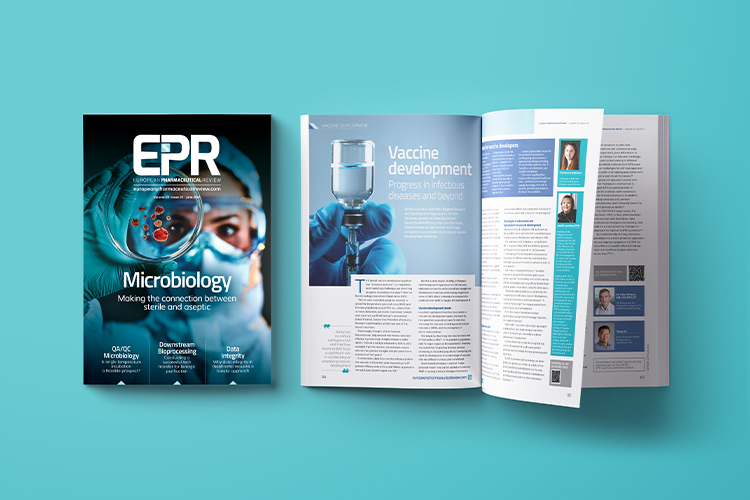
European Pharmaceutical Review Issue 3 includes articles on microbiology, downstream bioprocessing and drug development. Register your details now to download this exclusive content.


This article highlights some of the key regulatory approvals granted in May and June in the EU and US so far this year, including for oligonucleotide and biologic therapies.


With recent recommendation of Takeda’s fruquintinib by the European Medicines Agency (EMA), EPR spoke to Dr Sebastian Stintzing, Professor of Medicine, Head of the Department of Hematology, Oncology, and Tumor Immunology (CCM) of The Charité University Hospital in Berlin and investigator on the FRESCO-2 trial, to find out more about…
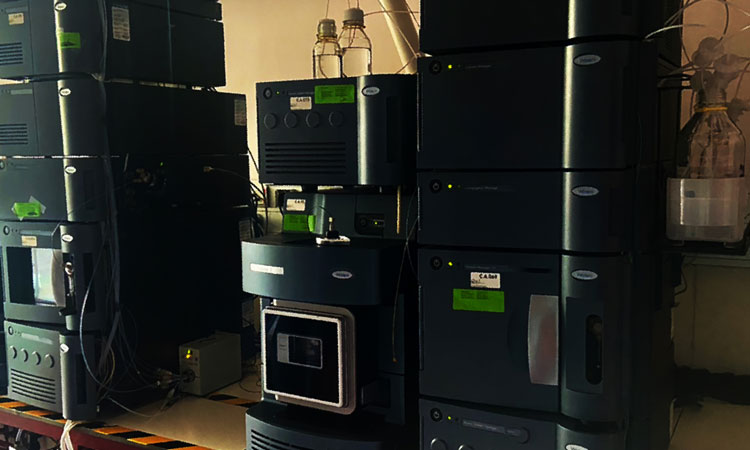
Modern supercritical fluid chromatography systems coupled with mass spectrometry are empowering pharmaceutical quality control laboratories. Here, Hugues Jambo, Cédric Hubert, Éric Ziemons and Philippe Hubert from the Laboratory of Pharmaceutical Analytical Chemistry at the University of Liège discuss applications from impurity and nitrosamines detection to purity analysis.
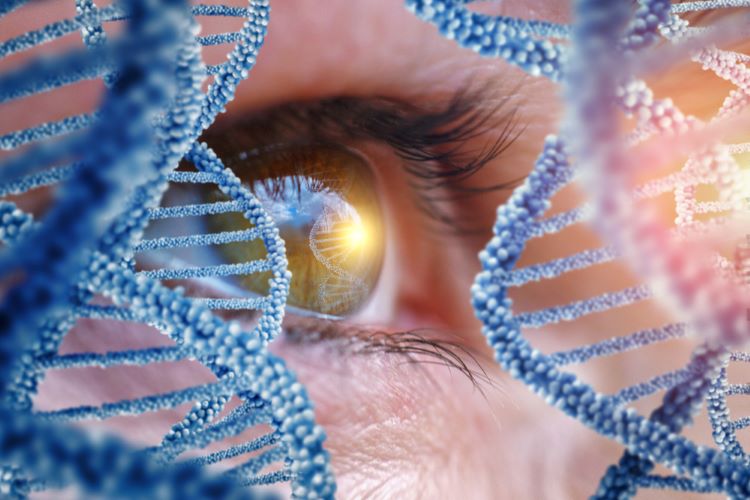
Expanding on his earlier podcast discussion with EPR, Dr Arun Upadhyay, Chief Scientific Officer and Head of Research & Development at Ocugen, discusses the company’s promising modifier gene therapy candidates for ophthalmic disorders.


In this final installment of EPR's Microbiome therapeutics: microscope to medicine, Dr Olaia Aurtenetxe, Head of Clinical Research at Mikrobiomik, reveals study data demonstrating why MBK-01, an investigational drug based on faecal microbiota transplantation, presents a promising alternative to the current standard of care for Clostridioides difficile infections (CDI), potentially…


In this interview, Kyle Haraldsen, Chief Technology Officer of Lyndra Therapeutics, explores how the drug delivery landscape is evolving to increase focus on patient centricity and sustainability through development of long-acting, oral-delivery technologies.


Experts at IP firm Finnegan discuss if the pharmaceutical industry is ready for the innovation and technologies that digitalisation and automation will bring, and whether these advances are a threat or ally to intellectual property rights in the sector.
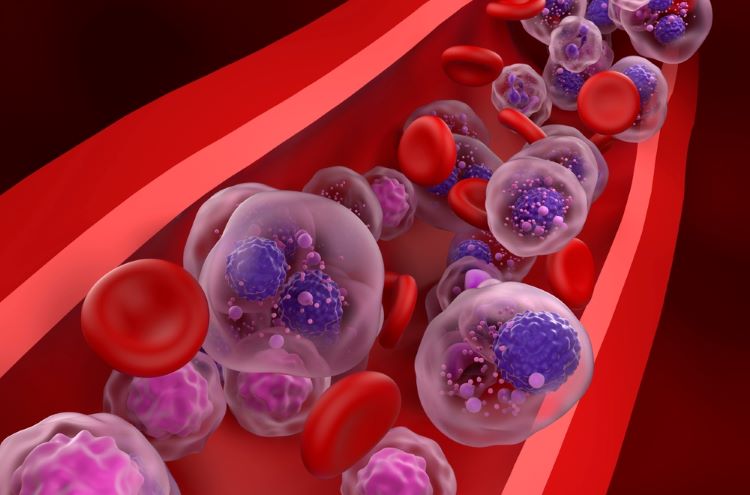
Edmond Chan, Senior Director, EMEA Therapeutic Area Lead, Haemato-Oncology, Johnson & Johnson Innovative Medicines, offers insight into the promising evidence of cell therapies and biologic-based treatments for patients with multiple myeloma.


Cell and gene therapy development grapples with a paradox: fresh starting material is often equated with higher-quality drug products, but cryopreservation is crucial for scale-up. In fact, every approved autologous cell-based therapy relies on freezing cells. Reconciling these truths can be key for the success of any commercial therapy based on…

