

news
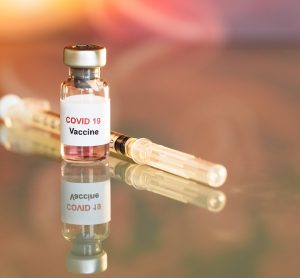
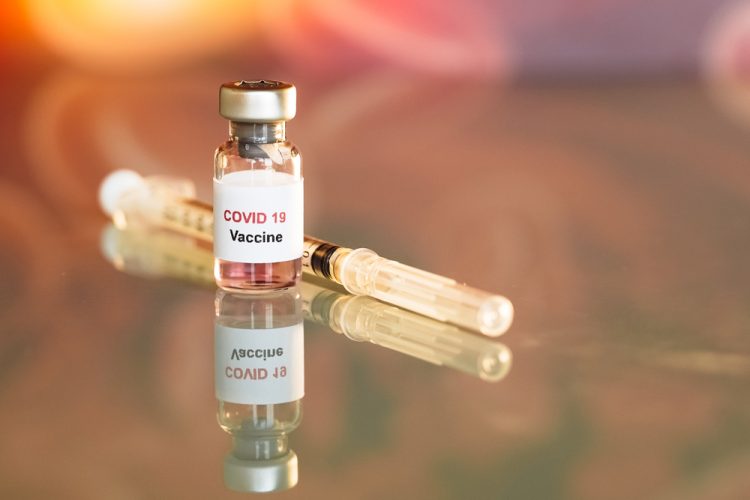
FDA grants Fast Track designation to two COVID-19 vaccines
Two investigational SARS-CoV-2 vaccine candidates, BNT162b1 and BNT162b2, currently in clinical trials have been granted Fast Track designation by the FDA.
List view / Grid view
Two investigational SARS-CoV-2 vaccine candidates, BNT162b1 and BNT162b2, currently in clinical trials have been granted Fast Track designation by the FDA.
Researchers reveal their experimental test can detect the presence of COVID-19 RNA in a sample in 10 minutes, and in a way that does not require trained personnel to interpret.

An international team of researchers has used nanoparticles to deliver a drug – one that previously failed in clinical trials for pain – into specific compartments of nerve cells, dramatically increasing its ability to treat pain in mice and rats. Nikki Withers spoke to Nigel Bunnett to hear more about…
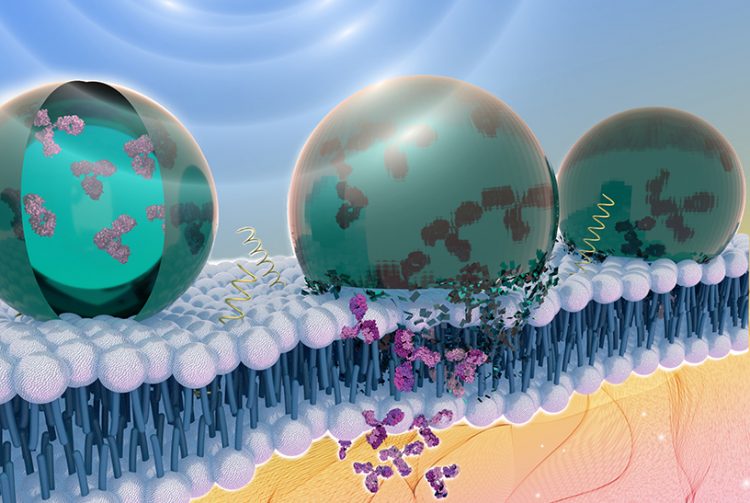
Scientists have developed a protocol for encapsulating antibodies in an ultrasound-sensitive drug carrier for targeted drug delivery.
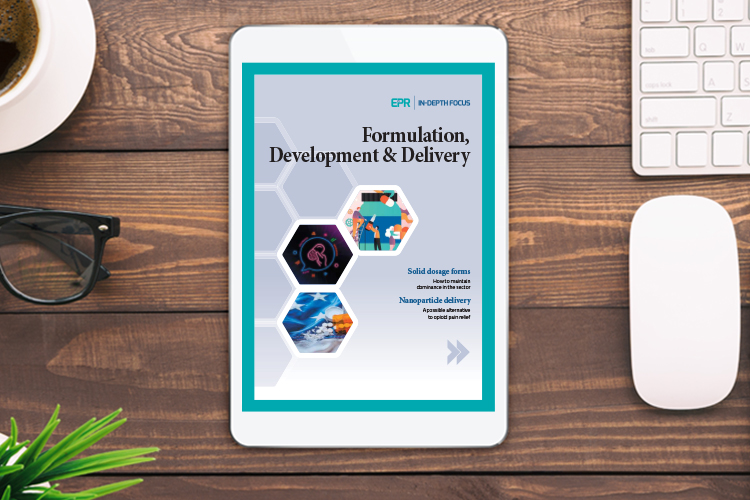
In this in-depth focus are features on how to succeed in the solid dosage form sector and the opportunities that nanoparticle drug delivery offers.
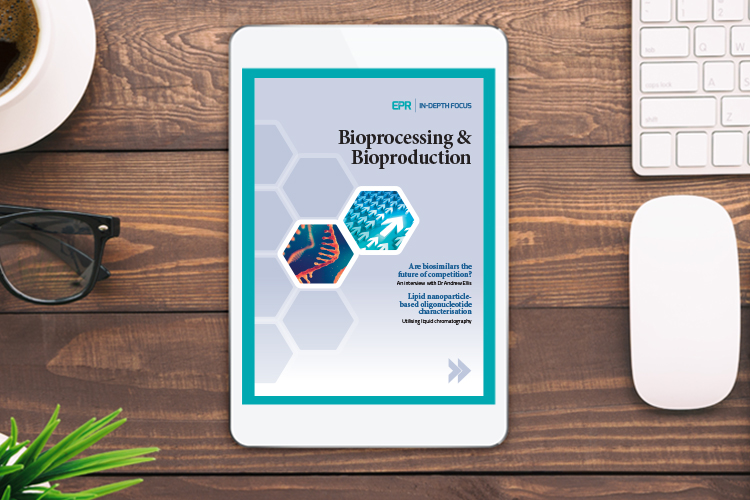
The articles in this in-depth focus discuss the importance of biosimilars and how liquid chromatography can be used to ensure the purity of lipid-based nanoparticles for drug delivery.
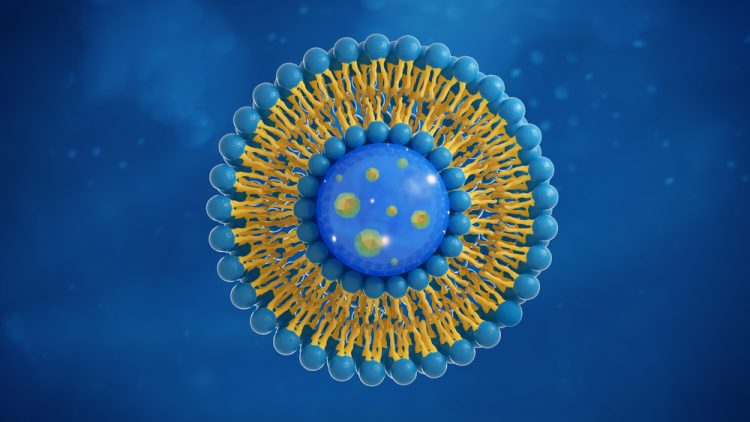
By attaching cyclic peptides to modified liposomes, researchers have created a potential form of drug delivery able to cross the blood-brain barrier.
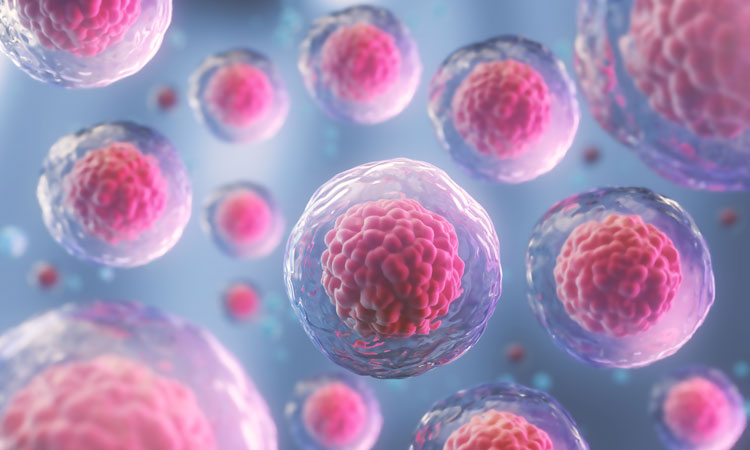
Researchers have developed a new device, called a ‘spiral hydroporator’, which uses the power of a tiny fluid vortex to rapidly and efficiently deliver nanomaterials into cells.

Stabilising DNA nanostructures using glutaraldehyde to tether an electrostatic PEGylated oligolysine net to the DNA enabled them to survive degradation in animal models.
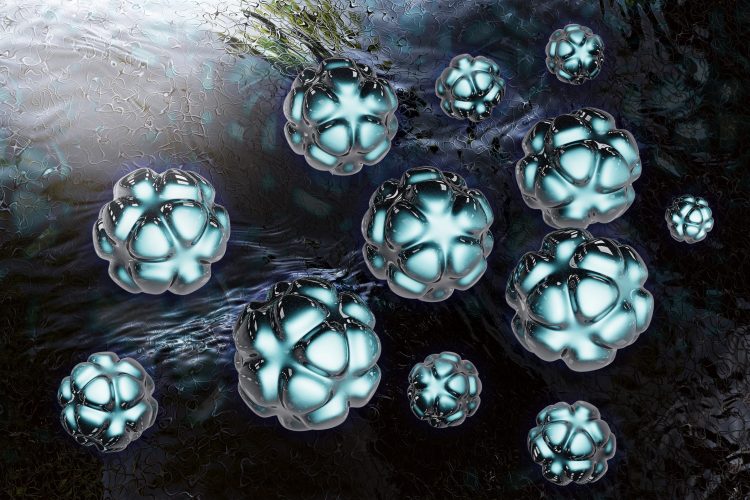
Scientists have developed an innovative nanocarrier that can selectively target and deliver a chemotherapy payload to cancer cells without adverse effects on healthy cells.
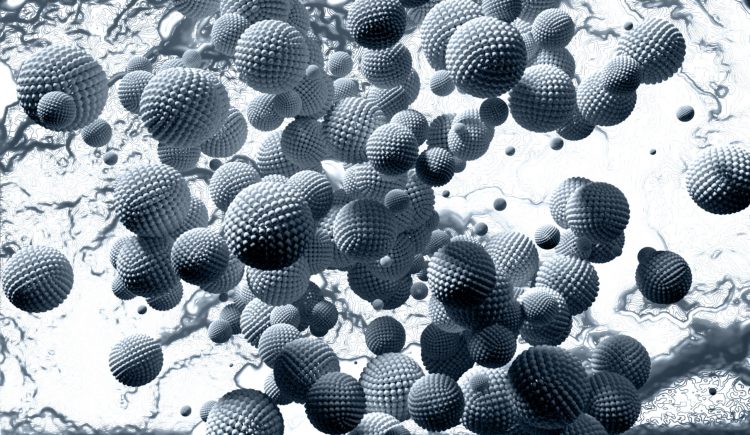
Researchers have created targeted, modifiable nanoparticles which could be combined with pharmaceuticals as a form of drug delivery to treat cancer.


Chemists have synthesised a single catalyst, able to perform multistep cascades of chemical reactions to produce a pharmaceutical product.
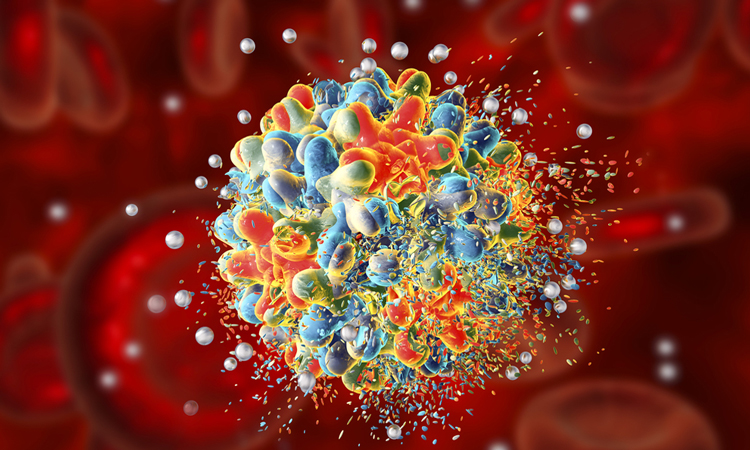
Scientists have developed a highly sensitive material that can analyse multiple environmental parameters simultaneously, which could be used in drug delivery.

A study has shown that PBAE nanoparticles could replace viral vectors in gene therapies and provide a safe treatment option for paediatric brain cancer patients.
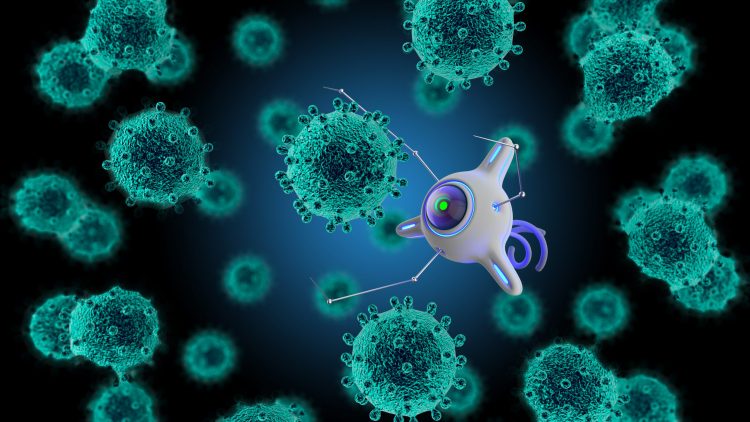
A proof-of-concept nanorobot design could be used to target cancer cells by their glucose consumption and deliver a drug payload in response to tumour interaction.

